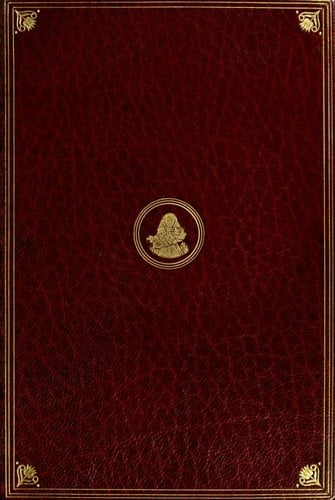
About This Book
Lewis Carroll's timeless classic, "Alice's Adventures in Wonderland," invites young readers on an extraordinary journey with a curious girl named Alice. After tumbling down a rabbit hole, she finds herself in a whimsical world populated by a host of eccentric, anthropomorphic creatures, from the White Rabbit to the Cheshire Cat and the Queen of Hearts. This picture book adaptation captures the essence of the original novel, making its imaginative narrative accessible to younger children. It's a fantastic book for sparking imagination, exploring themes of identity and logic, and embracing the joy of the absurd. Parents will appreciate its historical significance and its ability to open conversations about what makes sense and what doesn't.
Alice's Adventures in Wonderland (commonly Alice in Wonderland) is an 1865 English children's novel by Lewis Carroll. A young girl named Alice falls through a rabbit hole into a fantasy world of anthropomorphic creatures. It is seen as an example of the literary nonsense genre. One of the best-known works of Victorian literature, its narrative, structure, characters and imagery have had huge influence on popular culture and literature, especially in the fantasy genre.
Discussion Prompts
1
If you could fall down a rabbit hole, what kind of world would you hope to find?
2
Alice changes size many times. How would you feel if you suddenly became very big or very small?
3
Many things in Wonderland don't make sense. What was the silliest thing that happened?
4
Alice meets many strange characters. Which one would you most like to have tea with, and why?
5
What does Alice learn about herself during her adventure?
External Reviews
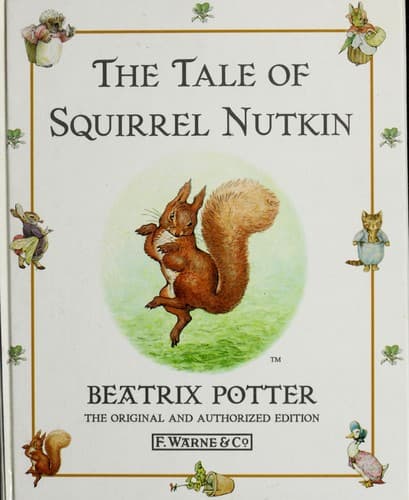
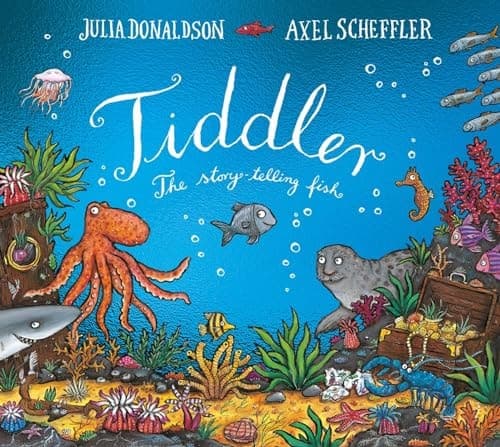
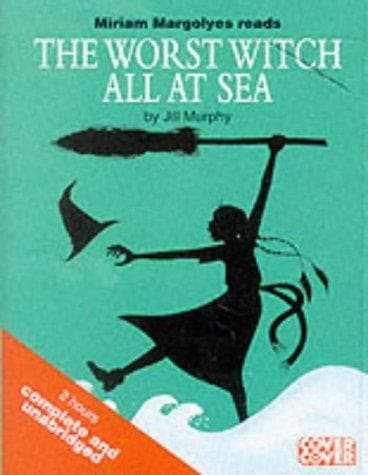
If Your Family Enjoyed This
Reviews
No reviews yet — be the first to share how this book landed with your family.