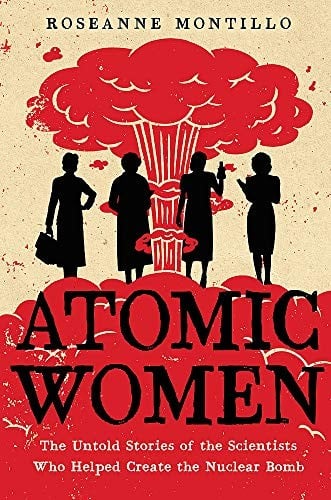
About This Book
Atomic Women delves into the fascinating and often overlooked contributions of female scientists during World War II, specifically their pivotal roles in the Manhattan Project. This book introduces readers to remarkable figures such as Lise Meitner, Irène Joliot-Curie, Elizabeth Rona, Leona Woods, Elizabeth Graves, and Joan Hinton, detailing their scientific breakthroughs and the challenges they faced in a male-dominated field. Beyond the scientific discoveries, the narrative thoughtfully explores the complex moral and ethical implications of creating the atomic bomb, prompting readers to consider the consequences of scientific advancement. It's an empowering read for young adults aged 12-18, offering a unique perspective on a critical historical event.
"They were leaning over the edge of the unknown and afraid of what they would discover there: Meet the World War II female scientists who worked in the secret sites of the Manhattan Project. Recruited not only from labs and universities from across the United States but also from countries abroad, these scientists helped in -- and often initiated -- the development of the atomic bomb, taking starring roles in the Manhattan Project. In fact, their involvement was critical to its success, though many of them were not fully aware of the consequences. The atomic women include: Lise Meitner and Iraene Joliot-Curie (daughter of Marie Curie), who led the groundwork for the Manhattan Project from Europe; Elizabeth Rona, the foremost expert in plutonium, who gave rise to the "Fat Man" and "Little Boy," the bombs dropped over Japan;Leona Woods, Elizabeth Graves, and Joan Hinton, who were inspired by European scientific ideals but carved their own paths." --
If Your Family Enjoyed This


Reviews
No reviews yet — be the first to share how this book landed with your family.