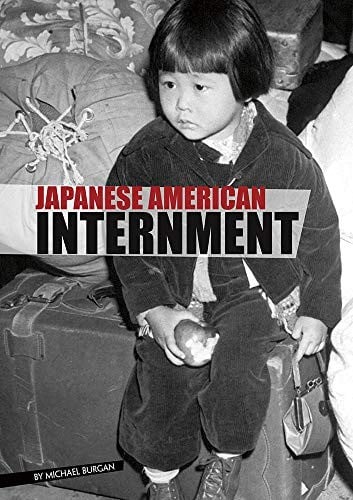
About This Book
This non-fiction chapter book delves into the difficult history of Japanese American internment during World War II. It explains how nearly 120,000 Japanese Americans were unjustly removed from their homes and held in relocation centers due to unfounded fears of disloyalty after the attack on Pearl Harbor. The book highlights the denial of their civil rights and the resilience of those who fought for justice, culminating in the government's eventual apology. It's an important resource for teaching children about prejudice, civil liberties, and the power of advocacy.
The United States entered World War II after a surprise attack by the Japanese on December 7, 1941. U.S. officials feared that Japanese Americans would betray their country and help Japan. Nearly 120,000 Japanese Americans were taken from their homes and moved into relocation centers, which some viewed as concentration camps. The internees, backed by many other Americans, believed that their fundamental rights as U.S. citizens had been denied. Years later the government apologized for its unjust actions.
discrimination
sadness_grief
peril_danger
Discussion Prompts
1
Why do you think the U.S. government feared Japanese Americans after the attack on Pearl Harbor?
2
What does it mean to have "fundamental rights" as a citizen, and how were these rights denied to Japanese Americans?
3
How do you think it felt for Japanese Americans to be forced to leave their homes and live in relocation centers?
4
What does the government's apology years later tell us about the importance of admitting mistakes?
5
What can we learn from this historical event about treating all people fairly, regardless of their background?
External Reviews
If Your Family Enjoyed This


Reviews
No reviews yet — be the first to share how this book landed with your family.