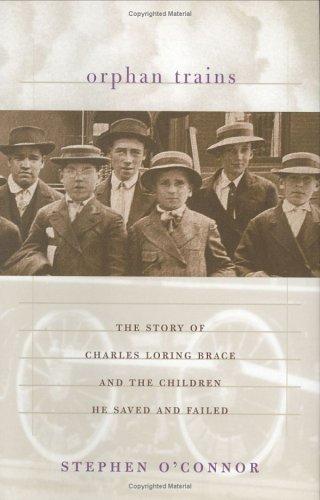
About This Book
This comprehensive non-fiction chapter book delves into the complex history of the Orphan Train Movement, a social experiment that transported an estimated 200,000 children from East Coast cities to rural areas across the Midwest and West between 1854 and 1929. It examines the life and motivations of Charles Loring Brace, founder of the Children's Aid Society, who believed he was saving 'street Arabs' from poverty. The book doesn't shy away from the program's darker aspects, including criticisms regarding inadequate screening of foster families, the exploitation of children as farm labor, and the forced separation of siblings and immigrant families. It offers a nuanced look at a pivotal, often controversial, chapter in American social welfare history, highlighting both its successes and its failures. Ideal for readers aged 10-14 interested in historical events and social justice.
Tells the story of the orphan trains that were operated by the Children's Aid Society between 1854 and 1929, taking abandoned children from New York to homes in the Midwest and West; and discusses the life and motivations of young minister Charles Loring Brace, founder of the society.
Discussion Prompts
1
What were Charles Loring Brace's original intentions for the Orphan Train Movement, and how did the program's reality sometimes differ from his vision?
2
The book discusses both the 'saved' and 'failed' aspects of the Orphan Trains. What examples of each can you identify, and how do they complicate our understanding of the movement?
3
How did the Orphan Train Movement reflect the social attitudes and challenges of 19th-century America, particularly regarding poverty, immigration, and child welfare?
4
Many children lost their identity, including their names and connections to biological families. Why was this a significant criticism, and what does it tell us about the importance of heritage?
5
If you were a child on an Orphan Train, what do you think would be the most difficult part of the experience? What would be the most hopeful?
6
How does the Orphan Train Movement compare to modern foster care or adoption systems? What lessons can we learn from this historical period?
External Reviews
If Your Family Enjoyed This

Reviews
No reviews yet — be the first to share how this book landed with your family.