About This Book
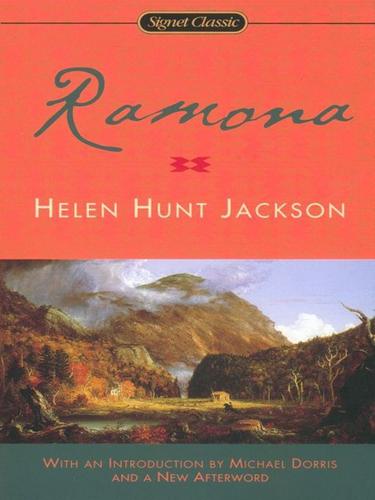
Ramona is a powerful 19th-century novel by Helen Hunt Jackson, often compared to Uncle Tom's Cabin for its ethical impact. It follows Ramona, a beautiful mixed-race orphan, who falls in love with Alessandro, a Native American sheep shearer, against her foster mother's wishes. Their elopement leads them on a heartbreaking journey across Southern California, as they face relentless displacement, poverty, and prejudice from white settlers in the aftermath of the Mexican-American War. The novel vividly portrays the fading Spanish order and the severe oppression of Native American communities. While intended to highlight injustices, it also became a beloved romantic tale, shaping the cultural identity of Southern California. This book is best suited for late elementary to middle school readers (ages 10-14) and up, who are ready for a long, immersive historical narrative with mature themes of love, loss, and social commentary.
A moving love story with grand melodramatic touches, Ramona was linked with Uncle Tom's Cabin as one of the great ethical novels of the 19th century. A bestseller in 1884, Ramona was both a political and literary success and will continue to move modern readers with its sympathetic characters and its depiction of the Native American's struggle in the early West.
Concepts
Love & FamilyJustice & FairnessSadness & GriefResilience & PerseveranceLoneliness & BelongingEmpathy & KindnessFear & BraverySelf-Confidence & IdentityGood vs. EvilAnger & FrustrationHonesty & IntegrityDeath of a Loved OneBeing DifferentCultural IdentityFinancial HardshipGrowing UpImmigrationFamily & Siblings
Character Death
peril_danger
discrimination
illness
war_themes
Discussion Prompts
1
How does Ramona's mixed heritage influence her identity and experiences throughout the story?
2
What injustices do Ramona and Alessandro face, and how do these reflect the historical treatment of Native Americans?
3
Compare Señora Moreno's treatment of Ramona to her treatment of Felipe. What does this reveal about prejudice?
4
How does the novel use the love story between Ramona and Alessandro to highlight broader social and political issues?
5
What does the book teach us about resilience and perseverance in the face of extreme hardship?
6
How might the story be different if it were told from the perspective of a white settler?
External Reviews
If Your Family Enjoyed This
Reviews
No reviews yet — be the first to share how this book landed with your family.