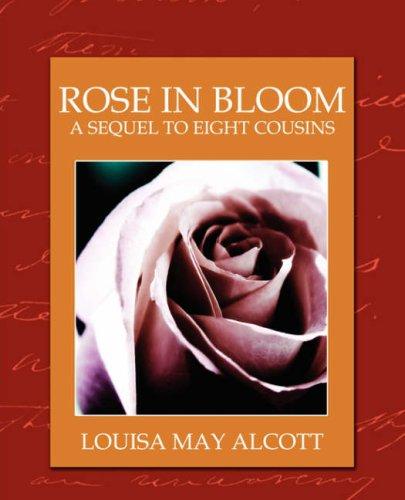
About This Book
Louisa May Alcott's 'Rose in Bloom' continues the story of Rose Campbell, a strong-willed young woman returning from Europe to 19th-century New England. The novel explores Rose's journey to define herself beyond societal expectations, as she pursues philanthropic work, defends women's independence, and ultimately finds love. Major themes include class differences, particularly through the character of Phebe, and the dangers of societal pressures, highlighted by a cousin's struggle with alcoholism. Parents will appreciate the rich historical context and the thoughtful exploration of a young woman's moral and personal growth, offering a gentle yet poignant look at Victorian life and values.
As authors may be supposed to know better than anyone else what they intended to do when writing a book, I beg leave to say thatthere is no moral to this story. Rose is not designed for a modelgirl, and the Sequel was simply written in fulfillment of a promise, hoping to afford some amusement, and perhaps here and there ahelpful hint, to other roses getting ready to bloom. L. M. Alcott, September 1876
Concepts
Self-Confidence & IdentityFreedom & IndependenceLove & FamilyEmpathy & KindnessSadness & GriefFriendship & LoyaltyJustice & FairnessLoneliness & BelongingResilience & PerseveranceGood vs. EvilHonesty & IntegrityCuriosity & WonderGrowing UpDeath of a Loved OneMaking FriendsBeing DifferentCultural Identity
Discussion Prompts
1
How does Rose define independence for herself, and how does that compare to Phebe's journey for independence?
2
What role does philanthropy play in Rose's life, and how do her motivations for charity evolve throughout the story?
3
How does society influence the choices and reputations of characters like Rose, Charlie, and Phebe?
4
Discuss the different types of love and family bonds portrayed in the book. How do these relationships shape the characters?
5
What lessons can we learn from Charlie's story and his struggle with alcohol?
6
How do the class differences between Phebe and the Campbell family impact their relationships and opportunities?
External Reviews
If Your Family Enjoyed This
Reviews
No reviews yet — be the first to share how this book landed with your family.