About This Book
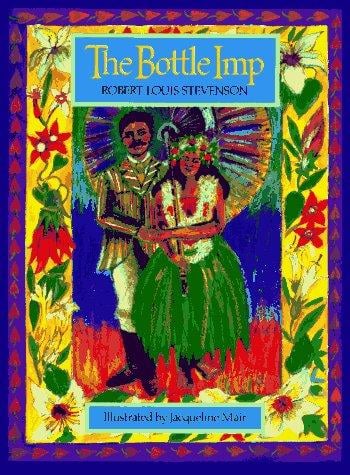
Robert Louis Stevenson's classic tale, "The Bottle Imp," follows Keawe, a poor Native Hawaiian, who acquires a magical bottle containing an imp that grants his every desire. The catch: he must sell it for less than he paid before he dies, or his soul will be damned to hell. The story explores themes of desire, consequence, sacrifice, and love as Keawe navigates the increasingly difficult challenge of ridding himself of the cursed object, especially after contracting leprosy and needing its power again. It's a compelling moral fable set against the backdrop of 19th-century Hawaii and Tahiti, offering rich opportunities for discussion about choices and their repercussions.
Keawe buys a magic bottle which brings him all that he desires but which he must sell before he dies in order to avoid spending eternity in hell.
peril_danger
illness
Scary Scenes
Character Death
Discussion Prompts
1
If you had the bottle, what would be your first wish? Would you be worried about the curse?
2
Do you think Keawe's uncle and cousins dying was a fair price for his mansion? Why or why not?
3
Why was it so hard to sell the bottle once the price got very low? What does that tell you about choices?
4
What does Kokua's actions tell you about true love and sacrifice?
5
Do you think the drunken sailor was truly unafraid of hell, or was he just pretending? What might make someone feel that way?
External Reviews
If Your Family Enjoyed This
Reviews
No reviews yet — be the first to share how this book landed with your family.