About This Book
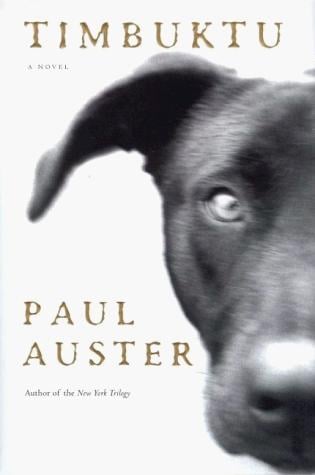
Paul Auster's novella, Timbuktu, offers a deeply moving and contemplative story through the eyes of Mr. Bones, a dog whose beloved homeless master, Willy G Christmas, is dying. Set in the early 1990s, the narrative follows their final journey to Baltimore as Willy seeks his former English teacher, with flashbacks revealing their shared past. The book beautifully explores the profound bond between a human and his pet, the struggle with grief and existential questions about life's purpose, and the concept of an afterlife Willy calls "Timbuktu." While not anthropomorphized, Mr. Bones' internal monologue provides a unique, often humorous, and always poignant perspective on human society and the universal experience of loss. It's suitable for ages 4-11, with younger readers appreciating the dog's journey and older readers engaging with the deeper themes.
Timbuktu is a 1999 novella by Paul Auster. It is about the life of a dog, Mr Bones, who is struggling to come to terms with the fact that his homeless master is dying. The story, set in the early 1990s, is told through the eyes of Mr Bones, who, although not anthropomorphised, has an internal monologue in English.
Character Death
illness
separation_from_parent
mental_health_themes
Discussion Prompts
1
What do you think Mr. Bones means when he talks about "Timbuktu"?
2
How does Mr. Bones show his love for Willy?
3
What challenges does Mr. Bones face after Willy's death, and how does he overcome them?
4
How do you think Willy felt about Mr. Bones?
5
What does this story teach us about friendship and loyalty?
External Reviews
If Your Family Enjoyed This
Reviews
No reviews yet — be the first to share how this book landed with your family.