About This Book
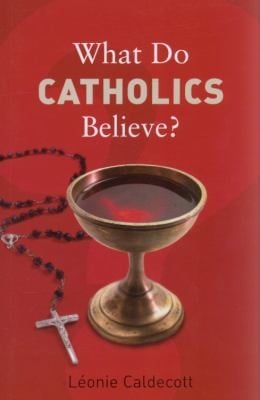
Léonie Caldecott's "What Do Catholics Believe?" offers an accessible introduction to the Catholic faith, detailing its core doctrines, historical significance, and unique practices. It covers topics like the importance of the Papacy, the sacrament of Mass, the role of Mary and saints, and contemporary challenges. While suitable for older children and teens curious about Catholicism or world religions, it also serves as a valuable resource for adults seeking a concise overview. The book aims to clarify what makes Catholicism distinct within Christianity, emphasizing its historical continuity and spiritual depth.
The Catholic Church is by far the largest Christian denomination and the largest organized body of any world religion. Well over a billion people - or over one-sixth of the world's population - belong to the Roman Catholic Church. But what do Catholics actually believe? While not neglecting those aspects of the faith which all Christians share, Léonie Caldecott's volume in the What Do We Believe? series pays particular attention to those aspects of the faith which make Catholicism distinctive. She emphasizes the importance to Catholics of a sense of the history of their Church (in both its positive and negative aspects) traceable back to St Peter, the first Pope, and the central role of the Papacy ever since.But more important still is the sacrament of Mass: the sharing in the humanity of God incarnate, the participation - through an act as simple as eating - in his divinity. The book also explains such aspects of the faith as the Holy Spirit, the importance of Mary and other saints, the doctrine of Papal Infallibility, and looks at the challenges the faith has to confront in the twenty-first century.
Discussion Prompts
1
What did you find most surprising about Catholic beliefs?
2
How does the history of the Church influence its practices today?
3
What are some ways people express their faith in your community or in the world?
4
What does 'community' mean in the context of a religion like Catholicism?
External Reviews
If Your Family Enjoyed This
Reviews
No reviews yet — be the first to share how this book landed with your family.