What Age Is The Baby-Sitters Club For?
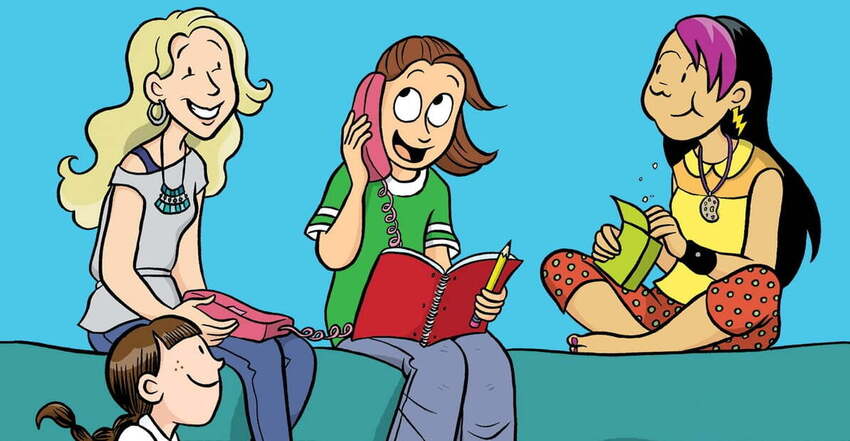
The Baby-Sitters Club launched in 1986 and has never really gone away. The original run was 131 books (plus Super Specials, Mysteries, and spinoffs). Ann M. Martin wrote about seven girls running a babysitting business in Stoneybrook, Connecticut, and she treated every problem. diabetes, divorce, racism, learning disabilities, death. with the same quiet seriousness. The series has been adapted into a 1995 movie, a 2020 Netflix show, and a bestselling graphic novel series illustrated by Raina Telgemeier (books 1-4) and then Gale Galligan (books 5+). Your kid has multiple entry points. Here's how to choose.
Recommended age8–12
Reading levelLexile 590–780
The quick recommendation
- Original novels: Ages 8-12 (the sweet spot is 9-11)
- Graphic novel adaptations: Ages 7-11 (more accessible, slightly younger audience)
- Reading level: Lexile range 590-780 for the novels (approximately 4th-6th grade). The graphic novels are accessible to 3rd-grade readers.
Which format to choose
Graphic novels (start with Kristy's Great Idea illustrated by Raina Telgemeier): Best for younger readers, reluctant readers, and kids who loved Raina Telgemeier's other work. The art is gorgeous, the emotional beats land visually, and each book is a quick, satisfying read. 15 graphic novel adaptations exist so far.
Original novels (start with Kristy's Great Idea by Ann M. Martin): Best for confident readers who are ready for 150+ pages of prose. The novels have more interior monologue, more subplot detail, and more of the quiet, specific character work that made BSC a phenomenon. Each book is narrated by a different club member, so kids experience seven distinct voices.
Both: Many kids read the graphic novels first and then graduate to the original novels for more story. This is a perfectly fine path.
Content guide
Diversity and representation: The original series was progressive for 1986 and shows its age in some areas. Claudia Kishi (Japanese-American) and Jessi Ramsey (Black) were among the first prominent characters of color in mainstream children's series fiction. Their experiences with racism are addressed directly but through an 80s/90s lens. The graphic novel adaptations update some cultural details.
Serious topics: BSC tackled real issues throughout the series: diabetes (Stacey), divorce (multiple characters), death of a grandparent, learning disabilities, adopted siblings, absent parents, bullying, homesickness, racism. Ann M. Martin handled all of these with care, age-appropriate detail, and without melodrama. These are the books that taught a generation of girls that books could reflect their actual lives.
Romance: Crushes develop across the series. The romantic content is innocent. hand-holding, dances, first boyfriend/girlfriend labels. By the later books, the characters are in 8th grade and the relationships have slightly more emotional weight, but nothing beyond PG.
Entrepreneurship: The girls run an actual business. They manage scheduling, handle difficult clients, resolve conflicts about money and labor. The business elements are genuinely educational. kids absorb basic entrepreneurship concepts without realizing it.
Gender dynamics: The BSC is an all-girl enterprise (with a few male associate members). The books assume girls are competent, ambitious, and capable of running things. This was quietly radical in 1986 and remains valuable.
Series structure
The original 131 books follow a formula: each book is narrated by one of the seven core members, opens with a chapter describing the club and its members (the "Chapter 2 recap" that returning readers skip and new readers need), and centers on a babysitting situation that connects to a personal challenge.
The formula is the feature. Kids who read BSC are reading for character, not plot surprise. They want to spend time with Kristy, Claudia, Stacey, Mary Anne, Dawn, Mallory, and Jessi. The predictability is comforting.
You don't need to read all 131 books. Most kids read 10-30 and move on. The first 20 establish all the characters and core dynamics. After that, pick based on which narrator your child likes best or which topic resonates.
Key characters (for parents choosing where to start)
- Kristy Thomas: Bossy, athletic, big family. The organizer.
- Claudia Kishi: Artistic, Japanese-American, struggles in school. The creative one.
- Stacey McGill: From New York, has diabetes, sophisticated. The cool one.
- Mary Anne Spier: Shy, sensitive, single dad. The emotional one.
- Dawn Schafer: California transplant, environmentalist, divorced parents. The independent one.
- Mallory Pike: Aspiring writer, big family, glasses and braces. The awkward one.
- Jessi Ramsey: Ballet dancer, Black, navigates racism in a mostly white town. The talented one.
If they're not ready yet, try these instead
- Ivy + Bean by Annie Barrows. friendship adventures, shorter,
- Clementine by Sara Pennypacker. girl protagonist, shorter chapters,
- Katie Kazoo, Switcheroo by Nancy Krulik. school comedy, easier reading level,
If they loved it, read these next
- Dork Diaries by Rachel Renée Russell. diary format, school drama,
- Smile by Raina Telgemeier. same artist (for graphic novel readers), memoir,
- The Penderwicks by Jeanne Birdsall. four sisters, literary quality,
- From the Mixed-Up Files of Mrs. Basil E. Frankweiler by E.L. Konigsburg. smart girls, adventures,
- Ramona Quimby by Beverly Cleary. the original girl-centered series,
- Main Street by Ann M. Martin. same author, small-town setting,