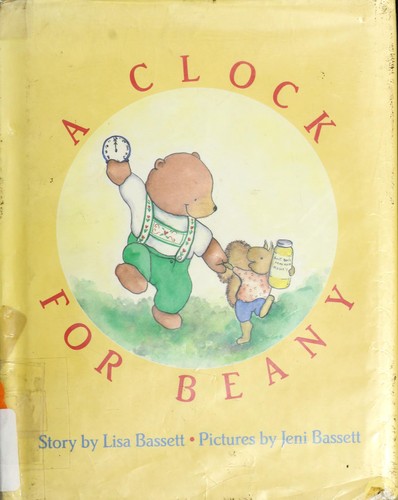
A parent might reach for this book when their child receives a gift they do not understand or feels anxious about a new object or routine in their life. In 'A Clock for Beany', Beany Bear gets a big, loud, ticking clock for his birthday and he is not sure he likes it at all. He tries to hide it, ignore it, and wishes it would go away. This gentle story follows Beany's journey from anxiety to curiosity and eventual appreciation as he discovers the clock's real purpose: helping him know when it is time for all the fun things in his day, like stories with his mother. It’s a perfect read for children aged 4 to 7 who are grappling with new responsibilities, learning about time, or simply feeling wary of change. The book beautifully normalizes feelings of doubt and shows how understanding can turn worry into wonder.
None. The book deals with very mild, everyday childhood anxiety about a new object and routine. The approach is gentle, secular, and entirely metaphorical for dealing with small changes. The resolution is completely hopeful and reassuring.
This book is perfect for a 4 or 5-year-old who is showing resistance to a new routine (like a new bedtime), a new object in their room (like a nightlight or a big kid bed), or is beginning to learn about the concept of time. It is for the child who expresses "I don't like it" about something new before they understand its purpose.
Your experience helps other parents find the right book.
Sign in to write a reviewNo prep needed. The book can be read cold. The text and illustrations are straightforward, gentle, and self-explanatory. It is a classic, simple story that does not require any pre-framing. The parent has just introduced a new structure or item intended to be helpful, like an alarm clock for school or a visual schedule, and the child has reacted with fear, rejection, or anxiety. The child might say, "It's too loud!" or "I don't want that here!"
A 4-year-old will likely connect with the simple emotional story of not liking a new thing and then learning to like it. They will focus on Beany's feelings. A 6 or 7-year-old, who might be learning to tell time, will also grasp the more concrete concept of how a clock helps organize a day and predict fun activities. They might see it as a story about growing up and understanding tools.
Unlike many books about learning to tell time that are purely instructional, this book focuses entirely on the emotional experience of time and routine. It personifies the anxiety around structure and change through a charming character, making the abstract concept of a schedule feel like a comforting friend rather than a rigid rule. Its simplicity and warmth are its greatest strengths.
Beany Bear receives a grandfather clock for his birthday from his parents. He is immediately wary of its loud "tick-tock" and looming presence. He tries various humorous ways to avoid the clock, like hiding it under a blanket. His initial anxiety gives way to curiosity as he observes how his family uses the clock to structure their day: it tells them when it's time to eat, when his father comes home, and most importantly, when it's time for his bedtime story. He eventually comes to appreciate the clock as a helpful and comforting part of his daily routine.
This overview was generated by AI based on the book's content and reviews, and may not capture every nuance.