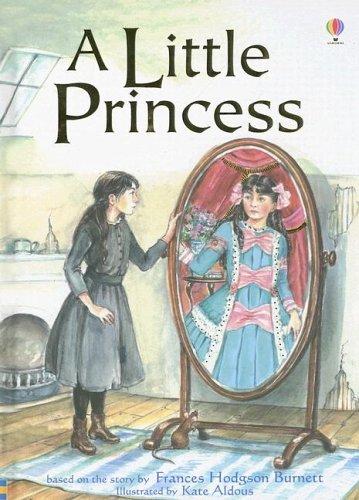
Sara Crewe, a wealthy and imaginative girl, is enrolled in Miss Minchin's boarding school. Her father's sudden death and loss of fortune leave her an orphan and a pauper. Miss Minchin, who previously fawned over Sara, now cruelly forces her into servitude, making her live in an attic and work as a scullery maid. Despite the harsh treatment and bullying from other students, Sara maintains her dignity, kindness, and vibrant imagination, believing that her inner character makes her a true princess. She befriends the scullery maid, Becky, and finds solace in her stories and acts of quiet generosity. Eventually, a mysterious benefactor, who turns out to be her father's business partner, discovers her plight and restores her fortune. The book directly addresses themes of poverty, social injustice, and emotional abuse, showcasing Sara's unwavering moral compass and resilience. The narrative is secular, focusing on human character and the consequences of actions. The story begins with privilege, shifts to profound sadness and despair, and then follows Sara's arduous journey through hardship, culminating in a triumphant and heartwarming resolution where kindness and virtue are rewarded. This book is ideal for children aged 8-12 who appreciate classic literature and stories of perseverance. It's particularly resonant for children who may be experiencing feelings of injustice, loneliness, or who are grappling with understanding social inequalities. A parent might reach for "A Little Princess" when their child needs a story about resilience, kindness in the face of cruelty, or understanding that true worth isn't tied to material possessions. Parents should be prepared to discuss the harsh realities Sara faces, including her starvation, cold, and the emotional abuse. It's an excellent opportunity to talk about empathy, bullying, and how to maintain one's character in difficult situations. Younger readers (7-8) might focus on the "princess" aspect and the magical transformation of her attic, needing more guidance through the darker parts. Older readers (9-12) will better grasp the social commentary, the depth of Sara's suffering, and the profound themes of justice and resilience. Unlike many "rags-to-riches" stories, Sara's "princess" status is internal from the start, tested by adversity, rather than being granted by external circumstances. Her unwavering kindness and imagination are her true treasures, making the story a powerful testament to inner virtue.