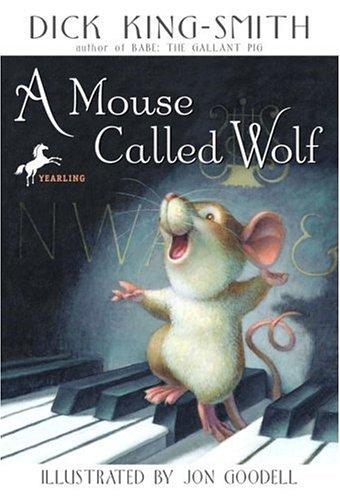
A parent might reach for this book when their child feels like their unique interests make them an outsider, or when they need a gentle story about finding friendship in unexpected places. This heartwarming tale is about Wolf, a little mouse born with a magnificent singing voice. He lives in the home of Mrs. Honeybee, a lonely widow who has stopped playing her beloved piano since her husband's death. When Wolf begins to sing along with her classical music records, an unlikely friendship forms, bringing joy and music back into both their lives. The book beautifully explores themes of loneliness, the courage to be different, and the healing power of art and connection. It's a perfect, gentle read for children who are sensitive and love animals.
The book deals with the grief of a spouse's death. Mrs. Honeybee is a widow, and her loneliness is the central emotional challenge for the human character. The approach is very gentle and indirect. Her sadness is shown through her quietness and her not playing the piano anymore, rather than through overt discussions of death. The resolution is entirely hopeful, as the friendship with Wolf brings her joy and helps her reconnect with her passion and the world. The approach is secular.
Your experience helps other parents find the right book.
Sign in to write a reviewThe ideal reader is a sensitive, thoughtful child aged 7-9 who enjoys quieter stories, loves animals, and has an appreciation for music or art. It's especially suited for a child who feels a bit different from their peers or siblings and needs reassurance that their unique qualities are a gift. It could also be a gentle introduction to the concept of grief for a child who has noticed an adult's sadness (like a grandparent).
This book can be read cold. The concept of Mrs. Honeybee being a widow is stated but not dwelled upon. A parent might want to be prepared to answer the question, "What is a widow?" but the book doesn't require any significant contextual setup. The focus is on the healing friendship, not the cause of the sadness. A parent has heard their child say, "Why am I the only one who likes this?" or has seen them hide a talent or interest for fear of being seen as weird. The parent is looking for a story that celebrates individuality and shows how our unique gifts can be the very things that help us connect with others.
A younger reader (age 7) will be charmed by the simple, sweet story of a singing mouse and his kind human friend. They will focus on the animal fantasy element. An older reader (age 9-10) will pick up on the more subtle themes: how art can heal grief, the courage it takes to share your talent, and the nature of interspecies communication and empathy.
Among animal fantasy chapter books, which often lean towards adventure or comedy, this one is a quiet, character-driven study of friendship and healing. Its focus on classical music as the literal bridge between two lonely souls is unique and sophisticated, yet presented with a simplicity that makes it accessible. It is a story about how art, not action, saves the day.
A young mouse is born with an unusual and powerful singing voice, earning him the name Wolfgang Amadeus Mouse, or Wolf. He lives in the walls of a home belonging to Mrs. Honeybee, a grieving widow and former concert pianist who no longer plays. Wolf is captivated by the classical music she plays on her record player. He begins singing along, and eventually, she discovers her tiny, talented houseguest. Their shared love for music forges a deep, unspoken bond that helps Mrs. Honeybee overcome her loneliness and return to her piano, while giving Wolf a profound sense of purpose and belonging.
This overview was generated by AI based on the book's content and reviews, and may not capture every nuance.
