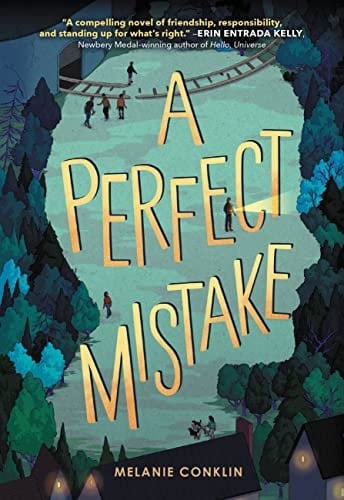
Max, an 11-year-old with ADHD, is dealing with the aftermath of an accident where a friend is in a coma, and another friend has cut him off. Max believes his "mistake" is to blame, but he's determined to piece together the events of that night to find the real truth. The book handles ADHD with sensitivity, showing Max's internal struggles with focus, impulsivity, and self-perception, rather than just external behaviors. The friend's coma is a central, serious event, treated with appropriate gravity, exploring guilt, responsibility, and the search for truth. It doesn't shy away from the emotional weight of a serious accident. The story begins with Max in a state of deep guilt and confusion, feeling isolated. As he investigates, the arc moves through suspense and determination, leading towards a hopeful, albeit potentially bittersweet, understanding and self-acceptance. It's a journey from self-blame to seeking clarity and ultimately, self-compassion. This book is ideal for middle-grade readers (ages 8-12) who enjoy character-driven mysteries. It will particularly resonate with children who feel misunderstood, struggle with learning differences like ADHD, or are grappling with the complexities of friendship and responsibility. A parent might reach for this book if their child is struggling with feelings of guilt or responsibility after a difficult event, if they are navigating complex friendships, or if they have ADHD and are looking for a character who reflects their experiences. Parents should be prepared to discuss the themes of accidents, illness (coma), guilt, and the challenges of ADHD. The book offers an excellent opportunity to talk about how mistakes happen, how to take responsibility, and the importance of seeking truth and understanding, even when it's hard. Younger readers (8-9) might focus more on the mystery aspect and Max's quest for truth, perhaps less on the nuances of his ADHD struggles. Older readers (10-12) will likely connect more deeply with Max's internal conflict, his feelings of shame and anxiety, and the complexities of his friendships, appreciating the emotional depth alongside the mystery. Unlike some mysteries that are purely plot-driven, "A Perfect Mistake" deeply integrates the protagonist's neurodiversity (ADHD) into the core of the story, making his internal struggles as compelling as the external mystery. It offers a nuanced portrayal of a child learning to navigate a world that doesn't always understand him, while simultaneously dealing with a profound external crisis.