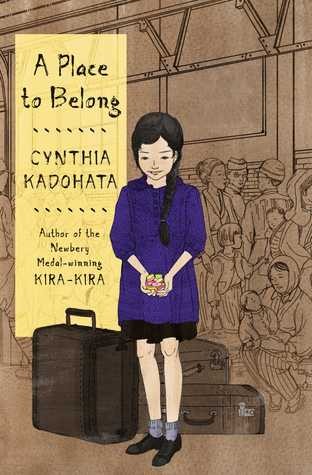
Reach for this book when your child is questioning where they belong, especially if they are navigating a dual identity or feeling rejected by their community. It is a profound resource for children who feel like 'outsiders' even in their own country. The story follows twelve year old Hanako, whose family is forced to leave a US internment camp after WWII to start over in a devastated Japan. It explores deep themes of loyalty, the psychological impact of prejudice, and the resilience of the family bond. While the historical setting is specific, the emotional core is universal for any middle schooler facing displacement or cultural confusion. Kadohata manages to balance the harsh realities of post war survival with a tender, hopeful exploration of what makes a place a home. It is best suited for mature readers ages 10 to 14 who are ready to engage with complex questions about justice and identity.
Your experience helps other parents find the right book.
Sign in to write a reviewFocuses on the systemic incarceration of Japanese Americans and social prejudice.
Post-war environment includes mentions of the atomic bomb's destruction and illness.
The book deals directly with systemic racism, the trauma of war, and the aftermath of the atomic bomb. The approach is realistic and secular, grounded in historical fact. The resolution is hopeful but acknowledges that healing from such profound displacement is a lifelong process.
A 12-year-old who feels caught between two worlds, perhaps a second-generation immigrant or a child who has recently moved, who needs to see that identity is something you build, not something that is given to you.
Parents should be aware of scenes describing the physical and psychological toll of the Hiroshima bombing and the intense hunger the family faces. It is helpful to provide historical context regarding the Executive Order 9066. A parent might choose this after hearing their child say 'I don't fit in anywhere' or 'Why do people look at me like I don't belong here?'
Younger readers (10) will focus on the survival elements and Hanako's relationship with her brother. Older readers (13-14) will better grasp the political nuances of renouncing citizenship and the complex grief of the parents.
Unlike many books that end when the camps close, this story explores the 'reverse' migration and the specific, often overlooked trauma of Japanese Americans who left the US for Japan after the war.
Hanako and her family are Japanese Americans who, after being incarcerated in an American internment camp during WWII, renounce their citizenship and 'repatriate' to a starving, post-war Japan. The story follows their arrival in Hiroshima and their struggle to survive on her grandparents' farm while Hanako grapples with her identity as neither fully American nor fully Japanese.
This overview was generated by AI based on the book's content and reviews, and may not capture every nuance.