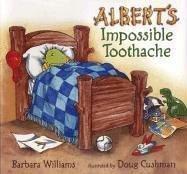
A parent should reach for this book when their child is frustrated by feeling unheard or dismissed. Albert the turtle has a terrible toothache, but his family insists it's impossible since turtles don't have teeth. His frustration and anger grow with each dismissal, a feeling many young children can relate to. The story gently validates these big emotions, showing how painful it is when your reality is denied by the people you trust. It's only when his wise grandmother sits down and truly listens that the real problem is discovered and Albert finds comfort. This book is a wonderful tool for children aged 6-8 to open conversations about empathy, the importance of listening, and how to express your needs even when others don't understand.
The core topic is temporary emotional neglect or dismissal from primary caregivers. The approach is direct and literal, showcasing the child's perspective clearly. The family members are portrayed as busy and dismissive rather than malicious. The resolution is entirely hopeful, modeling the power of a single empathetic adult to heal the situation.
Your experience helps other parents find the right book.
Sign in to write a reviewThis book is for an early elementary schooler (ages 6-8) who has expressed frustration with not being heard, perhaps saying things like "You're not listening!" or "You never believe me!" It's particularly resonant for a sensitive child who feels their problems are minimized by busy parents or logical older siblings.
This book can be read cold. Parents should be prepared for the possibility that they may see their own dismissive behavior reflected in Albert's family. This can be a valuable moment for self-reflection rather than a point of defensiveness. It's a good opportunity to talk about how even loving parents can sometimes be too busy to listen well. A parent has just had a frustrating interaction where their child was trying to explain a problem (physical or emotional) and the parent, for reasons of logic or time, dismissed it. The child responded with anger, tears, or by shutting down completely.
A younger reader (age 6) will connect with the physical problem, the simple injustice of being ignored, and the satisfying resolution. They will enjoy the humor of an "impossible" toothache. An older reader (age 8) will grasp the deeper emotional theme of validation. They can articulate the difference between the family's logical approach versus the grandmother's empathetic one.
Unlike many books about big feelings, this one uses a specific, tangible, and seemingly illogical physical complaint to anchor the abstract feeling of being emotionally dismissed. The "impossible" nature of the toothache is the perfect metaphor for how a child's internal reality can feel completely real to them, even if it defies adult logic. The resolution isn't an apology, but a demonstration of proper listening, which is a powerful and proactive model.
Albert, a young turtle, wakes up with what he is certain is a toothache. His mother, father, and brother each dismiss his complaint with the logical fact that turtles do not have teeth. Albert's frustration escalates into a tantrum. Finally, his grandmother sits with him, listens patiently to his story, and examines his mouth. She discovers the source of the pain: a beetle has bitten his gum. With the problem identified and his feelings validated, Albert is comforted and the pain subsides.
This overview was generated by AI based on the book's content and reviews, and may not capture every nuance.