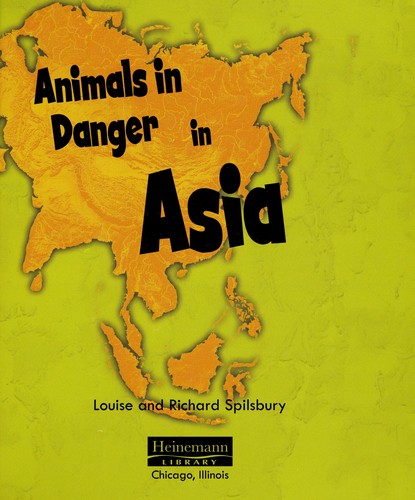
When your child is fascinated by animals but is starting to ask bigger questions about why some are disappearing, this book provides clear answers and empowers them. "Animals in Danger in Asia" introduces young readers to species like the giant panda, tiger, and orangutan, explaining the specific threats they face from habitat loss and poaching. The book handles these serious topics with a factual, non-alarming tone, focusing on empathy and justice. For ages 8-12, it's an excellent choice because it balances the problem with hopeful, actionable solutions, helping children feel like they can be part of the change rather than feeling overwhelmed by the issue.
The core topic is animal endangerment, which involves discussions of death (through poaching) and destruction (of habitats). The approach is direct, scientific, and secular. It presents the facts without overly graphic or emotionally manipulative descriptions. The resolution is hopeful, emphasizing that human action can make a positive difference and empowering the reader to participate in conservation.
Your experience helps other parents find the right book.
Sign in to write a reviewThis is for an 8 to 11-year-old animal lover who is beginning to understand that the world has complex problems. They may have seen a nature documentary and are now asking questions like, "Why are the tigers disappearing?" or "Are we hurting the planet?" This reader is ready for factual information and is looking for ways to channel their empathy into positive action.
The book can be read cold, as it's very accessible. However, parents may want to pre-read the final chapter, "What You Can Do," to be prepared for enthusiastic requests to start a fundraiser, write letters to officials, or make changes at home like recycling more carefully. The content is factual and not scary, but being ready to support the child's call to action is key. A parent might seek this book after their child expresses sadness or helplessness about an environmental issue. The trigger could be a comment like, "It's not fair that the orangutans are losing their homes," or a direct question, "Are all the pandas going to die?"
A younger reader (8-9) will likely connect most with the animal facts and the simple, tangible actions they can take. They will see the problem and solution in very direct terms. An older reader (10-12) will better appreciate the nuance of the threats, understanding the systemic issues behind habitat loss. They may be more interested in the maps, data, and the global scale of conservation efforts.
Among many books on endangered animals, this one's strength lies in its clear, regional focus on Asia and its structured, digestible format. Each chapter is a self-contained unit, which is great for reports or for focusing on a favorite animal. Its most unique feature is the strong emphasis on empowering, kid-friendly actions, which effectively turns potential anxiety into proactive engagement.
This non-fiction chapter book provides a survey of several endangered animal species native to the continent of Asia. Each section focuses on a specific animal (e.g., tiger, giant panda, orangutan, snow leopard), detailing its characteristics, diet, and habitat. The book clearly outlines the primary threats each animal faces, such as poaching and deforestation. The final chapters shift to a hopeful and proactive tone, explaining conservation efforts and providing concrete, age-appropriate actions that young readers can take to help.
This overview was generated by AI based on the book's content and reviews, and may not capture every nuance.
