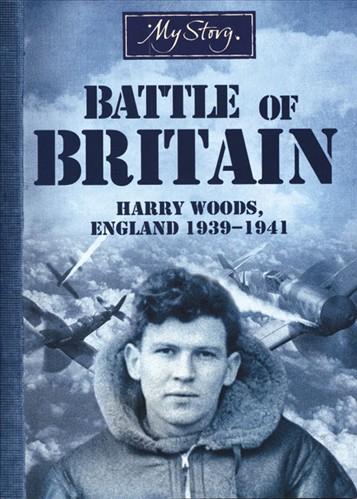
Chris Priestley's 'Battle of Britain' offers young readers a concise yet impactful dive into a pivotal moment in World War II. The story follows Harry Woods, a courageous RAF Spitfire pilot, as he navigates the perilous skies above England. The narrative effectively conveys the intensity of aerial combat, with dogfights against the Luftwaffe forming the core of the action. A significant emotional beat occurs when Harry's friend, Lenny, suffers a severe injury, highlighting the personal cost of war and deepening Harry's resolve, even as he faces his own near-fatal encounter.
The book handles sensitive topics like war, violence, and injury in an age-appropriate manner, focusing on the bravery and immediate action rather than graphic details. It presents a secular, historical account, making it suitable for a broad audience. The emotional arc is one of high stakes and peril, tempered by themes of resilience and the enduring spirit of those fighting for a cause. While intense, the story aims to be inspiring, celebrating courage in the face of adversity.
This book is ideal for children aged 7-11 who have an interest in history, military aviation, or simply enjoy fast-paced adventure stories. It's particularly valuable for those seeking to understand the human element of historical conflicts. Parents might reach for this book when a child expresses curiosity about World War II, planes, or when looking for a story that models courage and perseverance. It can serve as an excellent springboard for discussions about historical events, the realities of war, and the sacrifices made. Parents may wish to preview the scenes involving Lenny's injury to prepare for potential questions. Younger readers (4-6) could enjoy it as a read-aloud for the adventure, but may require more context and discussion to grasp the gravity of the events. Older readers (7-11) will likely appreciate the historical significance and emotional depth more fully. What sets this book apart is its direct, action-oriented perspective from a pilot's viewpoint, making a complex historical event accessible and engaging in a compact chapter book format.