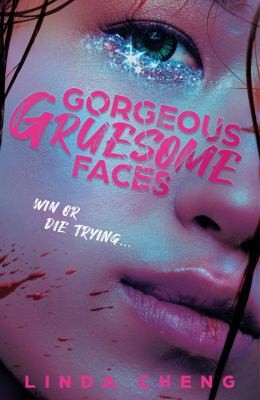
For teens grappling with intense emotions about their bodies and identity, this novel explores the raw, complex journey of self-acceptance in a challenging world.
A parent might reach for this book when their teen is expressing intense frustration, shame, or anger about their body, especially in the wake of an illness, injury, or bullying. "Beautiful Brutal Bodies" is an unflinching contemporary novel about a high schooler whose relationship with her body is shattered, forcing her to confront a new, challenging reality. It tackles difficult emotional themes like self-acceptance, resilience in the face of unwanted change, and the deep need for belonging. Recommended for older teens (14+), this book is a powerful choice for validating a young person's complex feelings and providing a launchpad for conversations about body image, mental health, and what it means to be whole when you feel broken.
The protagonist, acting out of pain, makes some poor and hurtful decisions.
Sensitive Topics
The book deals directly and unflinchingly with body dysmorphia, chronic illness, and resulting mental health struggles like depression and anxiety. The approach is secular and psychological, grounded entirely in the protagonist's lived experience. The resolution is not a cure but a state of realistic hopefulness, emphasizing coping mechanisms, self-advocacy, and the ongoing nature of self-acceptance.
Ideal Reader
A teen, 14 to 17 years old, who is struggling with their self-image due to chronic illness, disability, athletic injury, or severe body dysmorphia. This reader feels isolated and unseen, and will connect with a protagonist who is angry and imperfect. They are looking for a story that says it's okay to not be okay, and that strength isn't about being unbreakable.
Parent Prep
Parents should be prepared for the book's raw emotional honesty. Previewing chapters that deal with bullying or scenes of intense self-doubt would be wise. While a teen can read it cold, it is highly recommended that a parent read it as well. It will bring up difficult feelings, and the best way to support the reader is to be ready for a conversation about the specific challenges the protagonist faces. A parent has just learned of their teen's new chronic health condition, or has overheard their child making comments of intense self-hatred about their physical appearance ("I hate my body," "I wish I could just disappear"). The parent might have noticed their teen withdrawing from activities they once loved, like sports or social events.
Age Experience
A younger teen (13-14) might focus on the external conflicts: the unfairness of the diagnosis, the cruelty of bullies, and the drama of changing friendships. An older teen (16-18) is more likely to connect with the internal, existential themes: the philosophical struggle with identity, the challenge of long-term acceptance, and the nuanced critique of societal beauty standards.
What Makes It Special
Unlike many YA books that focus on recovery as a destination, this novel's key differentiator is its embrace of the messy, ongoing process. It gives voice to the anger and ugliness of grief for one's own body. The title itself captures this uniqueness: it doesn't shy away from the "brutal" reality of living in a challenging body, while simultaneously arguing for its inherent "beauty."
Read plot summary
The story follows a teen protagonist who, after a life-altering medical diagnosis or injury, must grapple with a body she no longer recognizes and that feels like a betrayal. She navigates shifting friendships, school-related bullying, and her own internalized ableism and self-loathing as she forges a new identity beyond her physical form. The plot is character-driven, focusing on her internal journey from despair towards a hard-won, realistic acceptance.
This overview was generated by AI based on the book's content and reviews, and may not capture every nuance.
Discussion Prompts
1
The title is 'Beautiful Brutal Bodies'. In what ways did the main character see her body as 'brutal' at the start of the story, and how did her definition of 'beautiful' change by the end?
2
Think about the moment the protagonist lashes out at her closest friend. Do you think her anger was justified? What could her friend have done differently to offer support?
3
The main character struggles with feeling defined by her physical condition. What moments in the book show her starting to build an identity outside of her body?
4
The ending is hopeful but not a 'perfect' resolution. Why do you think the author chose to end the story this way? Does it feel more or less satisfying than a traditional happy ending?