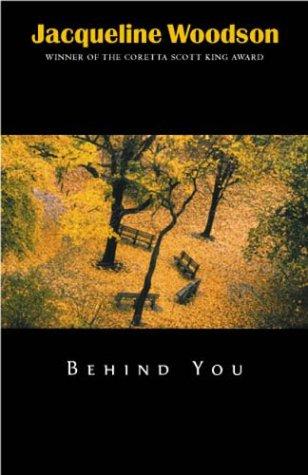
For children navigating the complex feelings surrounding the death of a loved one, this poignant story offers comfort and helps process grief and remembrance.
Parents can reach for this book when a child is grappling with the profound grief of losing a close friend or loved one, especially when the death feels sudden or unjust. A companion to "If You Come Softly", this novel is set one year after the tragic death of Miah, a Black teenager. The story unfolds in short, poetic chapters from the perspectives of those he left behind: his girlfriend Ellie, his friends, his parents, and even Miah himself from the afterlife. It delicately explores the enduring power of love, the different shapes of grief, and the pain of racial injustice. For mature middle-grade readers, this book doesn't offer easy answers but instead provides a beautiful, reflective space to process loss and affirm that memory keeps love alive.
The story centers on the aftermath of a main character's death, which is frequently discussed.
Racism & DiscriminationModerate
A central theme is the racial injustice that led to a Black teen's death by police.
Sensitive Topics
The book deals directly with the death of a teenager as a result of police violence and racial profiling. The approach is emotional and lyrical, not graphic. It is a secular exploration of grief, though Miah’s voice from the afterlife introduces a spiritual, non-denominational element. The resolution is not about closure but about integration: learning to live with profound loss and honoring memory. It is hopeful about the endurance of love but realistic about the permanence of grief and injustice.
Ideal Reader
A mature, introspective reader aged 10-13 who is processing the death of a friend or loved one, particularly a sudden or tragic death. It is also for a child beginning to ask questions about social and racial injustice who can appreciate a non-linear, character-driven narrative.
Parent Prep
Parents should preview this book. It is a sequel, and while it can stand alone, reading "If You Come Softly" first provides critical context for Miah’s death. Parents should be prepared for conversations about racism, police violence, and interracial relationships. The multiple perspectives and non-linear structure may require some guidance for younger readers. A parent hears their child say, “It’s not fair that they're gone,” or sees them struggling with anger alongside their sadness. The child is wrestling with the complex, multifaceted emotions of grief and injustice and needs a story that validates all of those feelings.
Age Experience
A 9 or 10-year-old will likely connect most with the core story of friendship, love, and the sadness of loss. An 11 or 12-year-old will more fully appreciate the novel’s sophisticated structure and its nuanced commentary on racial injustice, grief, and the complexities of memory.
What Makes It Special
Unlike many books on grief that follow a single character, this book’s polyvocal structure creates a communal portrait of loss, showing that everyone grieves differently. By including the voice of the deceased, it offers a unique and comforting perspective on what might come after, and powerfully links a personal tragedy to the wider systemic issue of racial injustice.
Read plot summary
Set one year after fifteen-year-old Miah, a Black teen, was shot and killed by police who mistook his water gun for a real one, this novel explores the aftermath. It is told through a mosaic of short, poetic chapters from multiple perspectives. The voices include Miah's white, Jewish girlfriend, Ellie; their friends; their parents; and Miah himself, who speaks from a gentle afterlife. The book is not a linear plot but a deep, emotional exploration of how a community continues to grieve, remember, and love a person who is gone.
This overview was generated by AI based on the book's content and reviews, and may not capture every nuance.
Discussion Prompts
1
The story is told from many different points of view, including Miah's after he has died. Why do you think the author chose to write it this way? How did hearing Miah's voice affect your reading of the story?
2
Ellie’s dad worries that the world isn't ready for a couple like Miah and Ellie. What challenges did they face because of their different racial backgrounds? Do you think things are different for interracial couples today?
3
At the end of the book, Ellie thinks of herself as 'the after.' What do you think she means by this? How do she and other characters decide to carry Miah's memory forward?
4
Miah’s friend Carlton feels a lot of guilt about their last conversation. Why do people sometimes feel regret or guilt when someone dies? How do the characters in the book cope with these feelings?