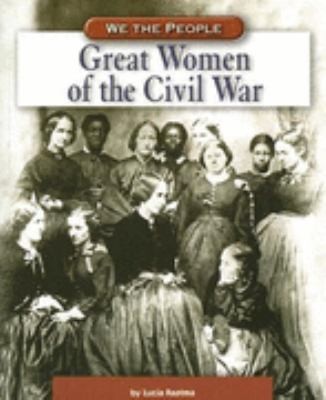
A parent might reach for this book when their curious child is ready to move beyond simple facts about American history and wants to understand the key moments of the Civil War. This book serves as an excellent, age-appropriate introduction to major battles like Gettysburg and Antietam, explaining military strategies and the human cost of the conflict. It carefully balances historical detail with a focus on themes of bravery, resilience, and the difficult questions of justice that underpinned the war. For children aged 9 to 12, this guide is clear, engaging, and supported by helpful visuals like maps and archival photos. It provides a solid foundation for understanding a complex topic, making it a great choice for a young historian who wants to grasp the "why" behind the events without being overwhelmed by overly academic or graphic content.
Directly addresses slavery as the foundational cause of the Civil War.
Sensitive Topics
Deals directly with war, violence, and death. The approach is factual and historical, not graphic or gratuitous. It explains the reasons for the war, including slavery, in a direct, secular manner. The resolution is historical: the Union victory and the end of the war, presenting a hopeful outcome for the nation's future, while acknowledging the immense human cost.
Ideal Reader
A 9 to 12 year old who is fascinated by military history, strategy, and "big moments" in history. This child might enjoy strategy games and is now ready to connect those interests to real world events. They are likely a strong nonfiction reader who appreciates clear layouts, maps, and facts.
Parent Prep
Parents should be prepared to discuss the concept of war, the high number of casualties (mentioned in the text), and the institution of slavery as the root cause of the conflict. The book is straightforward, but the subject matter is inherently heavy. A quick preview of the casualty statistics and descriptions of battles would be wise. The child asks a specific, detailed question after a school unit on the Civil War, like "What exactly happened at Gettysburg?" or "Who was the better general, Lee or Grant?" The parent realizes the child is ready for more than a brief summary.
Age Experience
A 9 year old will likely focus on the "who, what, where" of the battles: the generals, the locations, the winners. An 11 or 12 year old is more capable of grasping the strategic significance, the long term consequences of each battle, and the complex moral questions surrounding the war.
What Makes It Special
Unlike many children's books on the Civil War that provide a broad overview, this one's "battle centric" chapter structure offers a clear, focused, and digestible way to learn. Its use of high quality maps and graphics to explain military movements makes abstract strategies concrete for young readers.
Read plot summary
A nonfiction overview of major Civil War battles, including Fort Sumter, Bull Run, Antietam, Vicksburg, and Gettysburg. Each chapter focuses on a specific battle, detailing key figures, strategies, outcomes, and overall significance in the war. The text is supplemented with maps, timelines, and historical photographs.
This overview was generated by AI based on the book's content and reviews, and may not capture every nuance.
Discussion Prompts
1
The book uses maps to show how armies moved during battles like Gettysburg. Why do you think a general's plan for where to place soldiers was so important?
2
After reading about the Battle of Antietam, the single bloodiest day in American history, President Lincoln issued the Emancipation Proclamation. How might the events of the battle have influenced his decision?
3
The book describes both Union and Confederate generals. Did any leader's strategy or decision surprise you? Why?
4
The introduction calls the Civil War "the war that tore America in two." After reading about the battles, how do you think the country was able to come back together?