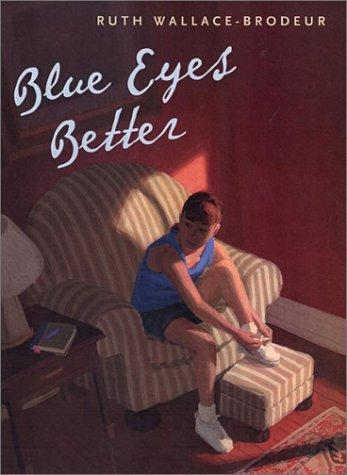
A parent might reach for this book when their child is navigating the complex grief of losing a sibling or close loved one. 'Blue Eyes Better' tells the story of ten-year-old Tessa, whose family is shattered by the accidental death of her older brother. The story gently explores how each family member retreats into their own silent sadness, leaving Tessa feeling invisible. It's a quiet, tender narrative for ages 8 to 12 that focuses on the slow process of healing and rediscovering hope. This book is an excellent choice for its realistic and compassionate portrayal of grief, providing a comforting mirror for a child's feelings and a gentle way to start conversations about remembrance and family connection.
Your experience helps other parents find the right book.
Sign in to write a reviewThe book deals directly with the death of a sibling. The approach is secular and realistic, focusing on the emotional aftermath rather than the event itself. The death is accidental and not described in detail. The resolution is hopeful but grounded: the family's grief doesn't disappear, but they learn to live with it and find joy again, establishing a new version of normal.
A child aged 9 to 12 who has recently experienced the death of a sibling or other close family member. It is particularly suited for a child who feels that their family has become 'stuck' in their grief and that no one is talking about what happened.
This book can be read cold as it is very gentle. However, a parent may want to preview the first few chapters to understand the depiction of the parents' incapacitating grief. This can help prepare for conversations about how adults and children can experience and express sadness in very different ways. A parent notices their child has become withdrawn or is struggling to express their feelings after a family loss. The parent might feel their family isn't communicating well and is looking for a gentle story to bridge the emotional distance and open a conversation about shared grief.
A younger reader (8-9) will connect most with Tessa's loneliness, her feelings of being invisible, and the comfort she finds in her new friendship. An older reader (10-12) will better appreciate the nuanced family dynamics, understanding the parents' perspective and recognizing the significance of Tessa being the one to initiate the family's first step toward healing.
Unlike many books on grief that feature dramatic emotional events or magical realism, this book's strength is its quiet, realistic portrayal of the suffocating silence that can descend on a grieving family. It uniquely focuses on a child's internal journey and her agency in gently guiding her family back toward connection. Its power lies in its subtlety and emotional honesty.
Ten-year-old Tessa's world is turned upside down when her older brother, Scott, is killed in a bicycle accident. Her parents are consumed by their own grief, becoming distant and silent, and Tessa feels alone and forgotten. She navigates her sadness at home and at school, where everything feels different. A new friendship with a boy named Willie, who helps her work on a secret project, allows her to slowly begin processing her emotions. Ultimately, Tessa finds the courage to take a small step that helps her whole family begin to reconnect and heal together.
This overview was generated by AI based on the book's content and reviews, and may not capture every nuance.