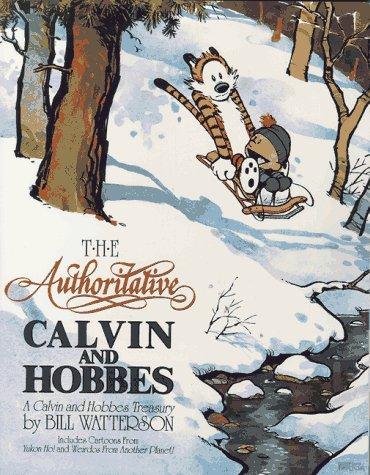
Reach for this collection when your child seems misunderstood by the traditional school system or when their imagination feels too big for the four walls of their bedroom. It is the perfect remedy for a kid who questions everything and needs to see that their vibrant, often chaotic inner life is shared by others. Through the lens of a precocious boy and his philosophical tiger, the book explores the messy boundaries between reality and fantasy, the frustrations of growing up, and the deep comfort of a best friend. While the vocabulary is surprisingly sophisticated, it serves as a wonderful tool for linguistic growth and intellectual curiosity. It celebrates a brand of independence that is rarely found in modern children's literature, validating the child who prefers a cardboard box and a magnifying glass to a structured playdate. It is an invitation for parents to reconnect with their own sense of wonder while navigating the delightful, exhausting reality of raising a spirited child.
Your experience helps other parents find the right book.
Sign in to write a reviewIncludes words like 'stupid,' 'jerk,' and 'dumb' in the context of childhood bickering.
Imaginary sequences feature dinosaurs and aliens in non-graphic, slapstick peril.
The book handles topics like environmentalism, the meaning of life, and mortality through a secular, philosophical lens. When Calvin finds an injured squirrel, the approach is realistic and poignant rather than sentimental. It deals with social isolation and being an 'outsider' in a way that is honest and often unresolved, reflecting a realistic childhood experience.
A highly verbal 7 to 10-year-old who feels like a 'round peg in a square hole.' This is for the child who is bored by traditional narratives and craves wit, satire, and a protagonist who shares their skepticism of authority.
Parents should be prepared for Calvin's frequent use of words like 'stupid' or his cynical attitude toward school. The book is best when read together or discussed, as some of the vocabulary and social satire may require context for younger readers. A parent might reach for this after their child has had a difficult day at school or a conflict with a teacher where the child felt their creativity was stifled or their perspective was ignored.
Younger children (ages 5-7) will love the physical comedy, the dinosaurs, and the 'Spaceman Spiff' sequences. Older children (8-12) will begin to appreciate the dry wit, the wordplay, and the deeper philosophical questions about the universe.
Unlike many modern comics that rely on simple gags, Calvin and Hobbes treats the child reader as an intellectual equal. It uses a rich vocabulary and complex themes without ever losing the core magic of a child's imagination.
The book is a comprehensive collection of comic strips featuring Calvin, a six-year-old with an expansive imagination, and Hobbes, his stuffed tiger who comes to life in Calvin's presence. Together they navigate school, family dynamics, and high-concept adventures involving time travel, transmogrification, and philosophical debates.
This overview was generated by AI based on the book's content and reviews, and may not capture every nuance.