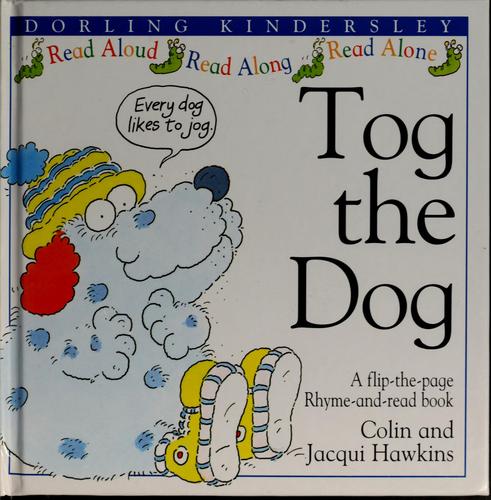
About This Book
When your child is constantly asking 'how does that work?' about every car, truck, and train they see, this book provides clear and engaging answers. It explores the mechanics and history of various land vehicles, from bicycles to bulldozers, using detailed diagrams and accessible text to explain concepts like engines, gears, and suspension. It channels a child's natural curiosity into a love for engineering and discovery, making it a perfect fit for inquisitive 6 to 9 year olds who are ready for real information. It’s a wonderful way to build STEM vocabulary and start conversations about how our world is built.
What Parents Should Know
Sensitive Topics
None. The book is a straightforward, secular, and factual exploration of mechanics and engineering.
Ideal Reader
A 7-year-old who is obsessed with vehicles, constantly building with construction toys, or asking 'why' and 'how' about the world around them. This child is a budding engineer or tinkerer who is ready for more than just picture books about trucks. They are starting to read independently and are hungry for real information.
Parent Prep
No prep needed. The book is self-contained and easy to dive into. A parent might want to be ready for follow-up questions or have materials on hand for a simple related experiment, like making a wheel and axle. The parent hears their child asking, 'How does the engine make the car go?' or 'Why do trains need tracks?' The child is showing a deep interest in the mechanics of their toys and the vehicles they see on the street.
Reviews
No reviews yet — be the first!
Your experience helps other parents find the right book.
Sign in to write a review