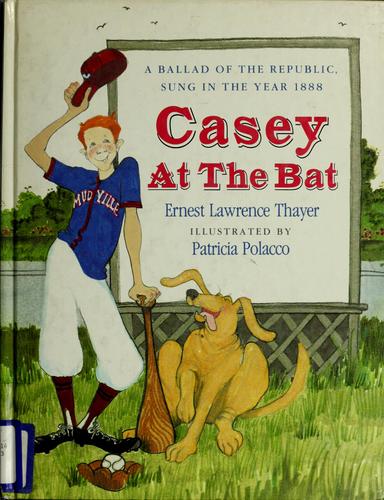
Ernest Lawrence Thayer's 'Casey at the Bat' is a quintessential American poem, and this edition makes it accessible and relevant for young readers. The narrative follows the legendary baseball player Casey, whose immense confidence and the crowd's fervent hope create an almost unbearable tension as he comes to bat in the ninth inning. The poem masterfully builds anticipation, only to conclude with Casey's dramatic strikeout, leaving the town in despair.
The book handles the sensitive topic of failure and disappointment with a classic, almost mythological, tone. It doesn't shy away from the sting of defeat but presents it as a universal human experience, even for heroes. The emotional arc is one of soaring hope followed by a poignant, collective sadness, but it implicitly carries a message of resilience and moving forward. The additional text connecting the poem to Little League is a thoughtful touch, helping children understand that the pressures and emotions described are still very much a part of modern sports.
This book is specifically for children who are beginning to understand competition, teamwork, and the emotional highs and lows of sports. It's perfect for a child who has experienced a tough loss, felt the pressure of performance, or is simply curious about classic American stories. A parent might reach for this book when their child is struggling with the concept of losing, feeling overly self-conscious about making mistakes, or needs a gentle reminder that even the greatest can falter.
Parents should preview the ending, as it is a clear depiction of failure and disappointment. It's an excellent opportunity to discuss how to cope with such feelings and the importance of sportsmanship. Younger children (4-6) will enjoy the rhythm and rhyme and the drama of the game, perhaps focusing more on the excitement than the final outcome, while older children (7-11) will grasp the deeper themes of pride, pressure, and the bittersweet nature of defeat. What makes this book different from other stories about failure is its poetic form and its historical context, offering a unique blend of literary exposure and emotional resonance that few contemporary picture books achieve.