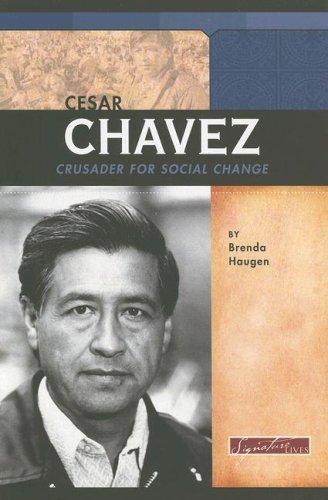
A parent might reach for this book when their child is beginning to notice unfairness in the world and asks how one person can make a change. This biography introduces Cesar Chavez, a key figure in American history who went from being a migrant farmworker to a powerful labor leader. The book explores themes of justice, resilience, and empathy, detailing his nonviolent fight for the rights of workers. For ages 9 to 13, this is an accessible and inspiring introduction to social activism and the importance of standing up for others, even when it is difficult.
Your experience helps other parents find the right book.
Sign in to write a reviewThe book deals directly with poverty, systemic racism, and the exploitation of laborers. The approach is historical and factual, presented in a way that is understandable for middle-grade readers. It is a secular account focused on social and political action. The resolution is hopeful, celebrating the legislative and social victories Chavez achieved, while also being realistic about the ongoing nature of the struggle for workers' rights.
A 10 to 12-year-old who is developing a strong sense of right and wrong and is curious about historical figures who fought for justice. This reader is ready for a nonfiction chapter book and may have been introduced to other civil rights leaders like Martin Luther King Jr. and wants to learn more about different forms of activism.
Parents should be prepared to discuss concepts like labor unions, strikes, boycotts, and nonviolent protest. The descriptions of poverty and poor living/working conditions (e.g., lack of clean water, dangerous tools) are straightforward and may require some contextual conversation. Previewing the sections on the racism Chavez faced in school can also help facilitate a discussion about discrimination. A child comes home from school after a lesson on civil rights or fairness and asks, "But what can one person actually do to change things?" or expresses frustration, saying, "It's not fair that some people are treated badly just because of their job or where they're from."
A younger reader (9-10) will likely grasp the core story of a hero fighting for people who are being mistreated. They will focus on the clear narrative of fairness and Chavez's bravery. An older reader (11-13) will better understand the complex strategies of labor organizing, the economic impact of boycotts, and the philosophical commitment to nonviolence. They can connect his actions to broader themes of civil rights and contemporary social justice issues.
As part of the "Compass Point Early Biographies" series, this book excels at making a complex historical topic accessible to a middle-grade audience. It uses clear, direct prose, historical photographs, maps, and informative sidebars to support the main narrative. Compared to a picture book, it offers more depth and detail, and compared to an adult biography, it is concise and focused, making it an ideal first in-depth look at Cesar Chavez's life and work.
This biography follows the life of Cesar Chavez from his childhood in Arizona, through his family's loss of their farm during the Great Depression, to his time as a migrant farmworker in California. The book details the harsh working conditions, low pay, and discrimination faced by farmworkers. The core of the narrative focuses on his work as a community organizer and his co-founding of the National Farm Workers Association (NFWA). It highlights his key nonviolent strategies, including the Delano grape strike and boycott, his 340-mile march to Sacramento, and his use of personal fasts to draw attention to the cause of social justice for farmworkers.
This overview was generated by AI based on the book's content and reviews, and may not capture every nuance.