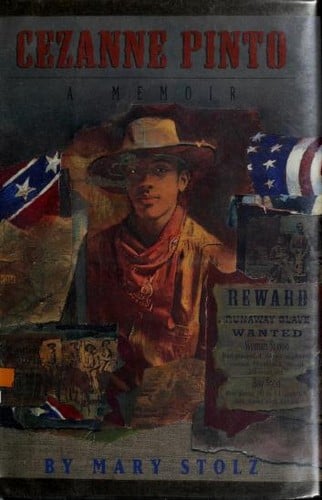
Mary Stolz's 'Cezanne Pinto' is a significant work of historical fiction, offering young readers a window into the brutal realities of slavery and the profound courage of those who sought freedom. The narrative is framed by an elderly Cezanne reflecting on his youth, lending a contemplative and poignant tone to the recounting of his life on a Virginia plantation and his eventual escape through the Underground Railroad. The book handles the sensitive topic of slavery directly, depicting the injustices and hardships without shying away from the truth, but always with an age-appropriate lens that focuses on the human experience and resilience rather than gratuitous detail. The emotional arc is one of struggle and sorrow, but ultimately triumphs with hope and the achievement of independence. This book is specifically for children in late elementary and middle school (ages 10-14) who are ready for a more in-depth and emotionally complex historical narrative. A parent might reach for this book when their child is studying American history, learning about the Civil War era, or expressing an interest in stories of bravery and social justice. Parents should be prepared to discuss the harsh realities of slavery, the violence and discrimination inherent in the system, and the profound impact it had on individuals and families. Younger readers (ages 8-9) might experience the adventure of the escape more prominently, while older readers (10-14) will grasp the deeper themes of injustice, identity, and the long-term effects of trauma and triumph. What sets this book apart is its personal, reflective narrative voice, which allows readers to connect deeply with Cezanne's journey and understand the emotional weight of his experiences, making history feel immediate and personal.