
About This Book
Reach for this book when your child is facing the pressure of homework or struggling with the temptation to take shortcuts. It is an ideal resource for navigating the messy middle ground between helping a friend and compromising personal integrity. Through Junie B. Jones's relatable and humorous perspective, the story validates the anxiety children feel about performance while gently guiding them toward the importance of doing their own work. In this installment, Junie B. finds herself in a dilemma when she copies Herb's homework, leading to a heavy heart and a lesson in honesty. The book captures the specific weight of 'secret guilt' that young children often carry. Parents will appreciate how it de-escalates the shame of making a mistake, transforming a potential crisis of character into a manageable learning moment about apology and perseverance. It is perfectly suited for early elementary students who are beginning to navigate academic expectations and peer dynamics.
What Parents Should Know

Junie B. Jones and the Stupid Smelly Bus
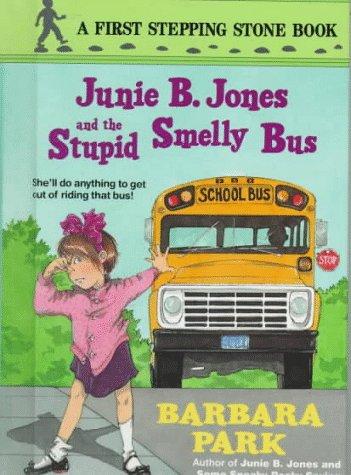
Junie B. Jones and the Stupid Smelly Bus

Junie B. Jones and a Little Monkey Business

Junie B. Jones and Her Big Fat Mouth

Junie B. Jones and Her Big Fat Mouth

Junie B. Jones and Some Sneaky Peeky Spying

Junie B. Jones and Some Sneaky Peeky Spying

Junie B. Jones and Some Sneaky Peeky Spying

Junie B. Jones and the Yucky Blucky Fruitcake

Junie B. Jones and the Yucky Blucky Fruitcake

Junie B. Jones and That Meanie Jim's Birthday

Junie B. Jones and that Meanie Jim's Birthday

Junie B. Jones Loves Handsome Warren

Junie B. Jones Loves Handsome Warren

Junie B. Jones Has a Monster Under Her Bed

Junie B. Jones Has a Monster Under Her Bed

Junie B. Jones Is Not a Crook

Junie B. Jones Is a Party Animal

Junie B. Jones Is a Party Animal

Junie B. Jones Is a Beauty Shop Guy
Junie B., First Grader: Cheater Pants
Reviews
No reviews yet — be the first!
Your experience helps other parents find the right book.
Sign in to write a review


