Wonderlit Review
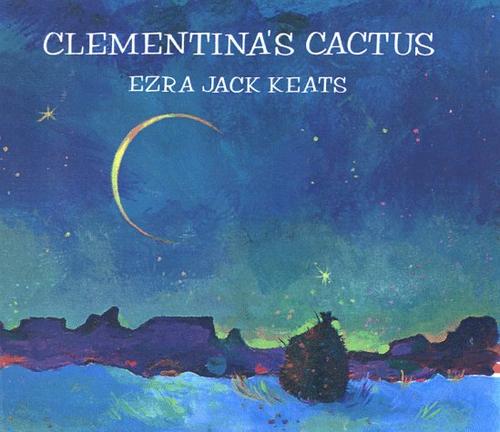
Ezra Jack Keats's final children's book, "Clementina's Cactus," is a poignant and beautiful wordless narrative that celebrates the quiet wonders of nature and the special bond between a child and parent. The story follows Clementina and her father as they walk through a desert landscape and encounter a seemingly unremarkable, dry cactus. Clementina's inquisitive nature leads her to examine it closely. After a thunderstorm, they return to find the cactus transformed by a vibrant bloom. The book handles the topic of natural cycles and patience with a gentle, observational approach, allowing the illustrations to convey the full emotional arc from initial curiosity to joyful discovery. There are no sensitive topics, making it a universally comforting read. This book is specifically for children who enjoy quiet reflection, observing nature, and engaging their imagination to fill in the story's dialogue. A parent might reach for this when they want a calming bedtime story, a book to encourage observation skills, or simply a beautiful shared experience. Parents should be prepared to guide younger children through the visual narrative, asking questions and encouraging them to describe what they see. Older children (7-11) can interpret the story independently, perhaps even writing their own narrative for the pictures, while younger children (4-6) will enjoy the visual journey and the warmth of the father-daughter interaction. Its wordless format sets it apart from many other nature books, making it a unique tool for fostering visual literacy and imaginative storytelling.
Discussion Prompts
1
What do you think Clementina was thinking when she first saw the cactus?
2
What do you think happened to the cactus after the thunderstorm?
3
Have you ever seen something in nature change in a surprising way?
4
What do you think Clementina and her father talked about on their walk?
If Your Family Enjoyed This

Reviews
No reviews yet. Be the first to share how this book landed with your family.