About This Book
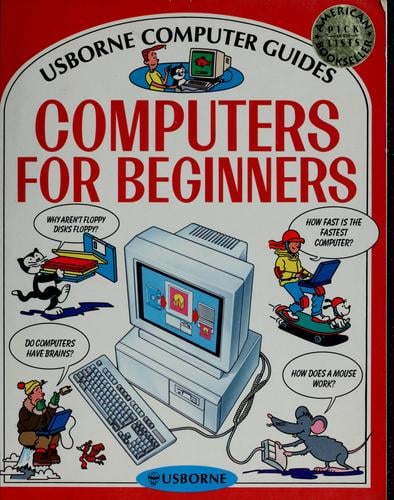
Answers questions about computers and how they work.
Wonderlit Review
This Usborne title, 'Computers for Beginners,' offers a clear and accessible introduction to the world of computing for young readers. Published in 1994, it directly addresses common questions about how computers function, their various components, and their uses. The book's approach is informative and sparks curiosity, making complex topics digestible for children aged 4-11. It handles the subject matter directly and factually, likely using simple language and engaging illustrations typical of Usborne non-fiction.
The emotional arc is one of gentle discovery and intellectual engagement, aiming to demystify technology. This book is specifically for children who are beginning to ask 'how' and 'why' about the devices they see around them, or for those being introduced to computers for the first time. A parent might reach for this book when a child expresses curiosity about technology, or as a foundational text before diving into more modern computer concepts. It also serves as an excellent tool for discussing technological evolution.
Parents should be prepared to contextualize the book's content. Given its 1994 publication date, many of the examples and technologies discussed (e.g., floppy disks, early operating systems, dial-up internet) will be obsolete. This presents a unique opportunity to discuss how much technology has changed and advanced over the decades, comparing the book's information with current devices like smartphones, tablets, and cloud computing. Younger children (4-7) will benefit most from a read-aloud experience with a parent explaining the dated elements, while older children (8-11) can read independently and engage in deeper discussions about the history and future of technology. What makes this book different from contemporary computer guides is precisely its age; it offers a historical snapshot, making it valuable for understanding the roots of modern computing.
If Your Family Enjoyed This

Reviews
No reviews yet. Be the first to share how this book landed with your family.