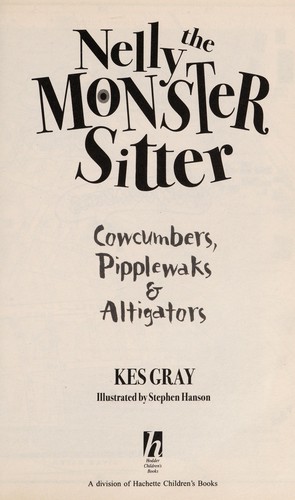
Reach for this book when your child is in that delightful, linguistically messy phase of 'correcting' the world with their own logic. It is the perfect choice for a rainy afternoon when you want to celebrate the transition from toddler babble to the confident, if slightly confused, vocabulary of a 'big kid.' This story follows a humorous dialogue between a child and an adult as they navigate a list of increasingly ridiculous mispronunciations and invented names for everyday things. At its heart, the book is a celebration of the joy of language and the bond between a patient parent and a creative child. It captures the curiosity and wonder of discovering how words work while validating the child's perspective. It is ideal for children aged 3 to 7 who are beginning to master phonics and enjoy the power of a good silly word. Parents will choose it because it turns a potentially frustrating moment of correction into a shared comedic experience.
Your experience helps other parents find the right book.
Sign in to write a reviewNone. This is a purely secular, lighthearted exploration of language and family interaction.
A 4 or 5-year-old who is currently obsessed with 'potty humor' or 'silly talk' and needs a constructive, literary outlet for that energy. It is also perfect for the child who is nervous about getting words 'wrong' in school, as it reframes mistakes as creative opportunities.
This book is best read cold, but parents should be prepared to use their most 'dramatic' voices. Reading the silly words with total conviction is key to the experience. A parent might reach for this after their child has spent the morning intentionally calling a shoe a 'footsy-floop' or similar, leading to a moment of parental fatigue that this book can transform into a bonding moment.
A 3-year-old will enjoy the phonetic sounds of the nonsense words. A 6 or 7-year-old will appreciate the irony and the 'meta' humor of knowing the correct word while the character in the book insists on the wrong one.
Unlike many concept books that simply teach vocabulary, this book celebrates the 'incorrect' path. It honors the developmental stage of word-play rather than just rushing the child toward proper elocution.
The book is a spirited dialogue between a child and an adult (likely a parent) revolving around a series of spoonerisms, malapropisms, and invented vocabulary. The child insists on calling familiar items by absurd names, such as cowcumbers for cucumbers or altigators for alligators, while the adult gently tries to provide the correct term, only to be met with more imaginative linguistic play.
This overview was generated by AI based on the book's content and reviews, and may not capture every nuance.