
About This Book
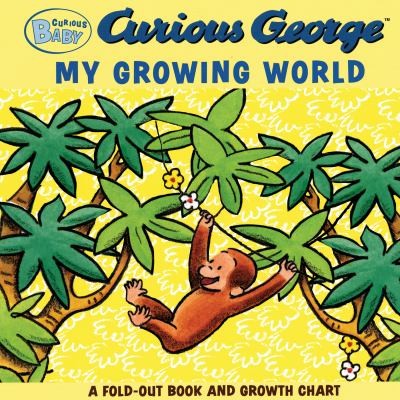
Reach for this book when your toddler begins pointing out objects in the wild and you want to bridge the gap between abstract shapes and the physical world. This interactive experience is designed for the high-energy stage of development where 'doing' is just as important as 'seeing.' It transforms the foundational task of learning geometry into a playful game of discovery. Using H. A. Rey's classic, whimsical art style, the book features clever die-cuts that reveal how a simple circle can become a clock or a square can become a window. It fosters a sense of wonder and curiosity about the environment, encouraging children to look closer at the items in their own home. It is a perfect choice for building early math vocabulary and spatial awareness in a joyful, low-pressure way.
What Parents Should Know
Sensitive Topics
None. This is a secular, early-learning concept book with no sensitive themes.
Ideal Reader
A two-year-old who is currently obsessed with labeling their environment. It is perfect for the child who enjoys 'peek-a-boo' mechanics and tactile engagement with physical books.
Parent Prep
This book can be read cold. Parents should be prepared to point to objects in the room that match the shapes in the book to extend the learning experience. A parent might choose this after realizing their child can identify a 'ball' but doesn't yet have the word for 'circle,' or when a child shows frustration with traditional, flat flashcards.


Reviews
No reviews yet — be the first!
Your experience helps other parents find the right book.
Sign in to write a review


