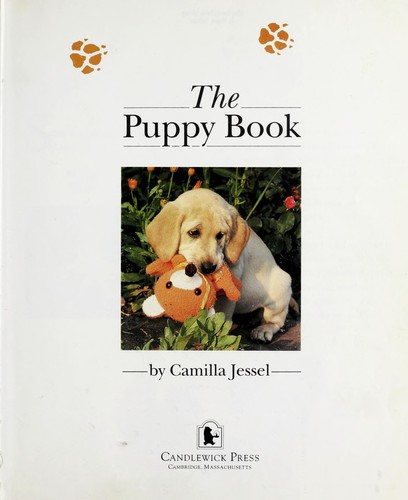
About This Book
Reach for this book when your toddler begins to notice that people and pets have very different ways of showing they care. While one friend might be loud and bouncy, another might be quiet and observant. This rhythmic comparison of canine and feline behaviors helps children understand that there is no single right way to express personality or affection. Through simple, repetitive verse, the book explores the contrasting temperaments of cats and dogs. It serves as a gentle introduction to perspective-taking, showing that 'different' is delightful rather than 'wrong.' It is a perfect choice for families welcoming a new pet or for children who are learning to navigate social interactions with peers who have different energy levels.
What Parents Should Know
Sensitive Topics
The book is entirely secular and safe. It avoids any heavy topics, focusing strictly on behavioral observations and the bond between pets and humans.
Ideal Reader
A preschooler who is high-energy and perhaps struggles to understand why a sibling or a pet needs 'quiet time.' It is also excellent for a child who is apprehensive about animals and needs to understand their body language.
Parent Prep
Reviews
No reviews yet — be the first!
Your experience helps other parents find the right book.
Sign in to write a review