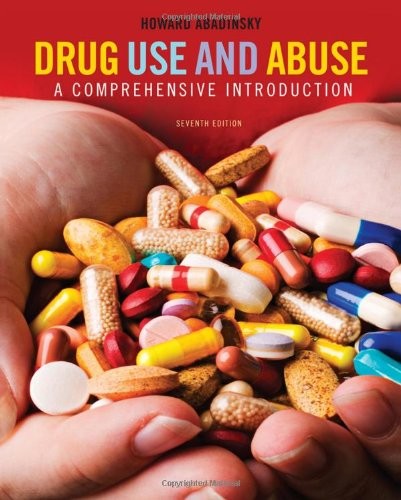
A parent might reach for this book when their child starts asking questions about drugs or is approaching the age where peer pressure becomes a real concern. This non-fiction guide provides a clear, factual, and age-appropriate overview of different types of drugs, the distinction between use and abuse, the science of addiction, and the importance of making healthy choices. It addresses themes of curiosity and self-confidence by arming kids with information, allowing them to feel more secure in their decisions. For families wanting to open a conversation about a difficult topic in a safe, structured way, this book serves as an excellent, non-sensationalized starting point.
Your experience helps other parents find the right book.
Sign in to write a reviewThe entire book covers the sensitive topic of substance use and abuse. The approach is direct, scientific, and secular, treating addiction as a medical issue. It does not use narrative or metaphor. The resolution presented is hopeful, focusing on the availability of help, the possibility of recovery, and the power of making informed, healthy choices.
The ideal reader is a curious 10 to 13-year-old who has started hearing about drugs from media or peers and is asking factual questions. It's also well-suited for a child who needs a non-judgmental explanation of addiction, perhaps because a family member or friend's family is affected by it.
A parent must read this book first. Its directness requires the parent to be ready for specific and potentially personal follow-up questions. They should consider which chapters are most relevant to their child's immediate questions. Given its 2000 publication date, a parent should be prepared to discuss newer trends like vaping or the fentanyl crisis, which are not covered. A parent has overheard their child talking about vaping with friends, saw a news story about the opioid crisis with their child, or was asked directly, "What is a drug?" The parent wants to provide facts before their child gets misinformation elsewhere and to establish an open line of communication before middle school pressures intensify.
A younger reader (9-10) will primarily absorb the health-focused information: this is what a drug does to your brain and body. An older reader (11-13) will be more attuned to the social-emotional content, such as the sections on peer pressure, self-esteem, and the reasons why someone might choose to use drugs.
Unlike narrative-driven books, this one's strength is its straightforward, almost clinical, textbook style. It presents information without judgment or a heavy-handed moralizing tone, focusing on science and health. This makes it a neutral resource that prioritizes education over emotional storytelling.
This is a non-fiction informational book that defines drugs, differentiating between medicinal and illegal substances. It covers major categories of drugs (stimulants, depressants, hallucinogens, etc.), including alcohol, tobacco, and marijuana. The text explains the concept of abuse, dependence, and addiction from a scientific perspective. It also discusses the social and emotional reasons a person might use drugs, the impact of peer pressure, and provides resources and suggestions for getting help or refusing drugs.
This overview was generated by AI based on the book's content and reviews, and may not capture every nuance.