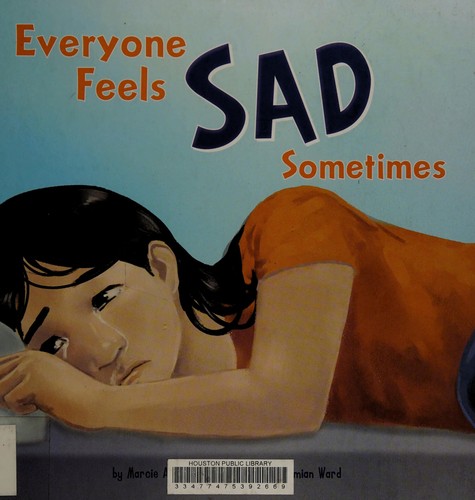
A parent should reach for this book when their child is experiencing sadness, especially if they are having trouble naming or understanding that feeling. "Everyone Feels Sad Sometimes" is a gentle and direct guide that normalizes sadness as a universal human emotion. It presents various common scenarios that make children feel sad, like a broken toy or a friend moving away, and reassures them that these feelings are valid. For children aged 4 to 8, it provides simple, actionable coping strategies like talking to an adult, crying, or drawing. It's an excellent tool for building emotional literacy and starting a conversation about mental well-being in a simple, secular, and comforting way.
The book addresses sadness directly but in a very gentle, secular context. The causes of sadness are limited to common, everyday childhood disappointments rather than significant trauma like death or divorce. The resolution is consistently positive and reassuring, focusing on the idea that feelings change and happiness will return.
The ideal reader is a preschooler or young elementary student (ages 4-6) who is beginning to grapple with big feelings but lacks the vocabulary to express them. It's perfect for a child who is sad about a specific disappointment (a canceled plan, a lost toy) or for a child who is just feeling generally down and needs help understanding why.
Your experience helps other parents find the right book.
Sign in to write a reviewNo preparation is needed. The book's language is simple, direct, and universally comforting. It can be read cold and serves as a natural and easy starting point for a conversation about feelings. A parent might pick this up after witnessing their child crying over a seemingly small issue, being unusually quiet and withdrawn, or explicitly saying "I'm sad." It's also a great proactive tool for parents who want to build an emotional vocabulary with their child before a difficult situation arises.
A 4-year-old will likely focus on the concrete examples, like the broken truck, and find immediate comfort in the suggested actions, like asking for a hug. An older child, perhaps 7 or 8, can use the book to understand the more abstract concept that sadness is a temporary state and can begin to reflect on which coping strategies work best for them personally.
Unlike story-based books that weave sadness into a plot, this book's strength is its direct, non-narrative, conceptual approach. It functions as a gentle field guide to a specific emotion. It isolates sadness, defines it through clear examples, and provides an explicit toolkit for managing it, making it an incredibly accessible and practical resource for young children.
This nonfiction concept book uses simple text and diverse illustrations to explore the emotion of sadness. It depicts several children in relatable situations that cause sadness: breaking a toy, having a friend move away, feeling left out, or even just a rainy day. The book validates these feelings as normal and then transitions to offering gentle, constructive coping mechanisms. These include talking to a trusted adult, getting a hug, crying, or expressing feelings through drawing. The book ends on a hopeful note, reinforcing the idea that sadness is temporary.
This overview was generated by AI based on the book's content and reviews, and may not capture every nuance.
