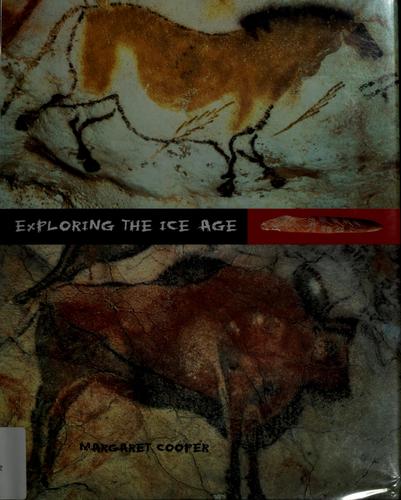
About This Book
Describes the lives of those dwelling in Europe during the Ice Age and discusses how they survived the harsh conditions of that period.
Wonderlit Review
Margaret Cooper's 'Exploring the Ice Age' provides a clear and engaging introduction to the Paleolithic period for elementary-aged children. The book details the daily lives of early humans in Ice Age Europe, covering aspects like hunting, gathering, shelter building, and community living. It emphasizes the ingenuity and resilience required to survive in such a challenging environment, rather than focusing on specific characters. The content is presented in a straightforward, informative manner, making it an excellent resource for educational purposes without being overly academic.
This book is ideal for children aged 6-10 who have a budding interest in history, archaeology, or prehistoric life. Younger children (4-5) will enjoy it as a read-aloud, especially if they are already fascinated by dinosaurs or ancient animals, as the book can help bridge that interest to early human history. Older children (9-11) might find it a quick, accessible overview before diving into more complex texts. Parents might reach for this book when their child asks 'How did people live before houses?' or 'What was the world like a long, long time ago?' It's also a great supplement for history units on early civilizations or human evolution.
There are no sensitive topics in the book; it maintains a factual and observational tone. Parents should preview the book to gauge their child's interest level, as it is non-fiction and may not appeal to all children equally. The book's strength lies in its ability to normalize the harsh realities of prehistoric life by focusing on human adaptation and problem-solving, fostering a sense of wonder at our ancestors' capabilities. It stands out from other books on the topic by offering a concise yet comprehensive overview specifically focused on the European context, making it a valuable addition to a child's non-fiction library.
If Your Family Enjoyed This

Reviews
No reviews yet. Be the first to share how this book landed with your family.