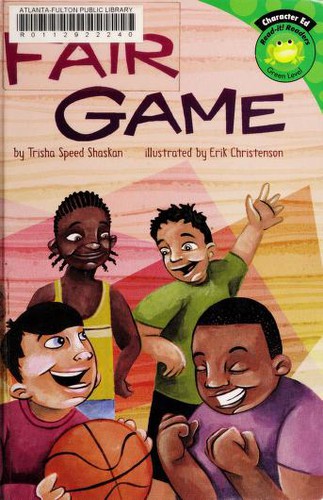
A parent might reach for this book when their child comes home upset about playground politics, complaining that a friend is cheating or that the game wasn't fair. This accessible chapter book tackles this common childhood dilemma head-on. The story follows a group of friends whose fun game of kickball is spoiled when one player starts changing the rules to win. It provides a fantastic model for how kids can find the courage to speak up for fairness, even when it means confronting a friend. For ages 6 to 9, 'Fair Game' is a great tool for starting conversations about sportsmanship, honesty, and navigating the tricky social rules of friendship.
The primary issue is peer conflict, specifically cheating and unfairness in a game. The approach is direct, secular, and realistic. It portrays a common, low-stakes childhood problem. The resolution is hopeful and pro-social, modeling constructive communication and problem-solving among friends.
This book is perfect for a rule-following child, aged 6 to 8, who gets deeply distressed by unfairness but is timid about confronting peers. It's for the child who internalizes frustration from playground squabbles and needs a script or model for how to voice their feelings without starting a big fight.
Your experience helps other parents find the right book.
Sign in to write a reviewThis book can be read cold. The situation is straightforward and requires little external context. A parent can simply read it with their child and use the story as a natural springboard for discussion. No specific scenes require a preview. A parent has just heard, "It's not fair! Maya kept making up new rules and said I was out!" or has picked up a quiet, pouting child from school who, when pressed, admits they didn't have fun at recess because "the game was stupid."

A younger reader (6-7) will connect with the black-and-white issue of cheating and the simple lesson: cheating is wrong. An older reader (8-9) will better appreciate the social nuances, such as the fear of upsetting a friend, the pressure to go along with the group, and the courage it takes to be the one to advocate for fairness.
Part of Capstone's 'Way to Be!' series, this book's primary strength is its focused, educational purpose. Unlike a story where unfairness is a subplot, this book's entire narrative is built to address this single, common issue. Its early chapter book format provides more narrative depth than a picture book but remains highly accessible, making it a perfect instructional tool for a specific social-emotional challenge.
A group of school friends are playing kickball at recess. The game starts out fun, but soon one of the more dominant players begins bending and inventing rules to ensure their team wins. The protagonist and other children feel frustrated and conflicted, wanting to keep playing but knowing the game has become unfair. The story centers on the main character's internal struggle and eventual decision to speak up, leading to a group conversation about establishing clear rules so everyone can have fun.
This overview was generated by AI based on the book's content and reviews, and may not capture every nuance.