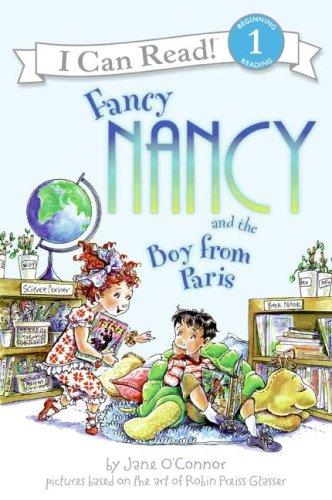
A parent might reach for this book when their child is about to meet someone new, especially from a different place, or when they are struggling with disappointment after a situation doesn't meet their high expectations. In the story, Fancy Nancy is ecstatic to host a boy from Paris, but her glamorous ideas of French culture clash with the reality of her new friend, who prefers mud pies to museums. This humorous tale gently explores themes of managing expectations, embracing cultural differences, and the importance of seeing people for who they truly are, not who we imagine them to be. It’s an excellent, lighthearted choice for ages 4 to 7 to start conversations about stereotypes and the real meaning of friendship, with the bonus of introducing fun French vocabulary.
The book deals with the theme of preconceived notions and mild cultural stereotyping. The approach is gentle, direct, and framed entirely through a child's innocent perspective. There is no malice, only misguided expectations. The resolution is hopeful and positive, modeling personal growth and empathy. The context is entirely secular.
This book is perfect for a 5 or 6-year-old who tends to build up grand, specific expectations for events or new people, and then struggles with feelings of letdown when things don't go exactly as planned. It's also an excellent choice for a child showing early curiosity about other countries and cultures.
Your experience helps other parents find the right book.
Sign in to write a reviewThe book can be read cold without any special preparation. A glossary of the French terms is included, which parents might want to glance at for pronunciation. The story provides a natural opportunity to talk about where Paris is or what your own family knows about France, but it is not required. A parent has just seen their child get upset because a new classmate or playdate partner didn't want to play the 'right' way or wasn't what the child expected. The child might say, "But I thought they would be..." or "This isn't how it was supposed to be!"
A younger child (age 4) will connect with the humor of the mismatched friends and enjoy repeating Nancy's 'fancy' French words. An older child (ages 6-7) will better grasp the more nuanced theme: that judging people based on where they come from is limiting, and true friendship means accepting people's unique personalities.
Among many books about making new friends, this one uniquely focuses on the challenge of overcoming one's own romanticized stereotypes. It's not about overt meanness or exclusion, but about the subtler, internal barrier of disappointment. The use of Nancy's love for French culture as the vehicle for this lesson is charming, memorable, and very effective for the target audience.
Nancy, an American girl who adores all things French, is thrilled to host a week-long visitor from Paris named Robert. She meticulously plans a sophisticated, French-themed itinerary. However, her expectations are dashed when Robert arrives and proves to be a typical young boy who enjoys playing with insects and getting dirty. Nancy's initial disappointment and frustration give way to a valuable lesson as she learns to look past her own stereotypes and befriends Robert for who he is, finding common ground in simple, shared fun.
This overview was generated by AI based on the book's content and reviews, and may not capture every nuance.