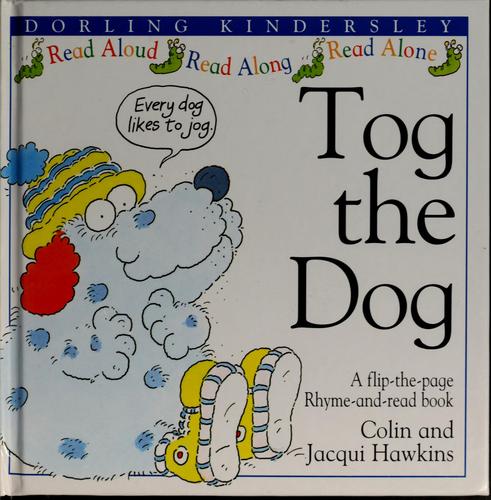
A parent might reach for this book when their child is navigating the natural differences that arise in friendships or feels insecure about their own unique traits. This simple story shows a group of friends who all have different interests and personalities. Instead of letting these differences create distance, they learn to appreciate what makes each person special, strengthening their bond. It gently introduces themes of acceptance, empathy, and self-confidence in a way that is perfect for early elementary schoolers. It's an excellent tool for starting conversations about what it means to be a truly supportive and understanding friend.
The book touches on the theme of "being different" and the potential for social exclusion. The approach is direct, secular, and entirely positive. It functions as a behavioral model. The resolution is consistently hopeful, demonstrating an ideal outcome where acceptance and kindness prevail without any significant emotional distress or complex conflict.
This book is perfect for a 6- or 7-year-old who is beginning to notice and categorize the differences between themselves and their peers. It's for the child who comes home saying, "Mia doesn't like drawing, so I can't be friends with her anymore," or for the child who feels self-conscious because their interests don't align with the most popular kid's.
Your experience helps other parents find the right book.
Sign in to write a reviewNo preparation is necessary. This book can be read cold. Its message is explicit and serves as a direct, easy-to-understand lesson in social skills. The simple text and clear illustrations make it an accessible conversation starter. A parent has just overheard their child excluding a peer based on a preference ("We can't play with him, he's too quiet") or has heard their own child express anxiety about not fitting in ("No one else likes to build with LEGOs like I do").

A 6-year-old will grasp the surface-level message: be nice to your friends even if they like different things. An 8-year-old can engage with the deeper concept of true acceptance, understanding that friendship is not conditional on shared interests but on mutual respect and appreciation for each other's identity.
Many friendship books focus on making a new friend or resolving a big fight. This book's unique contribution is its focus on the day-to-day maintenance of existing friendships by celebrating individuality. It's less of a story and more of a social-emotional primer, making it an excellent, direct teaching tool for parents and educators.
This book follows a diverse group of elementary-aged friends. The narrative presents a series of vignettes where individual differences become apparent: one child is quiet while another is energetic, one enjoys sports while another prefers art. The central, low-stakes conflict revolves around navigating these differences without judgment. The story models how the friends actively choose to appreciate each other's unique qualities, participate in each other's interests, and affirm that these differences do not weaken, but rather enrich, their friendship.
This overview was generated by AI based on the book's content and reviews, and may not capture every nuance.