About This Book
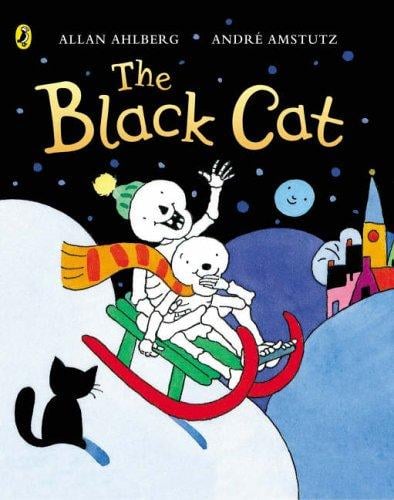
This charming picture book from the beloved Funnybones series introduces young readers to a little black cat who observes the playful adventures of three skeletons, Big, Little, and Dog, as they go sledding in the snow. Known for its gentle humor and simple, engaging narrative, this story is ideal for children aged 4-8. It offers a lighthearted look at friendship and fun, making the concept of skeletons approachable and non-scary. Parents will appreciate its ability to entertain while providing a cozy read-aloud experience.
A little black cat watches the antics of three skeletons sledding in the snow.
Scary Scenes
Wonderlit Review
Allan Ahlberg's 'The Black Cat' is a delightful entry in the Funnybones series, offering a gentle and humorous narrative perfect for young children. The story centers on a little black cat observing the playful antics of Big Skeleton, Little Skeleton, and their dog as they enjoy a day of sledding in the snow. The plot is simple, focusing on the joy of play and observation.
The presence of skeletons might initially seem like a sensitive topic, but Ahlberg handles it with characteristic warmth and wit. The skeletons are portrayed as friendly, silly characters, completely devoid of any frightening elements. This book actively subverts the typical spooky connotations of skeletons, making them approachable and even endearing for young readers. The emotional arc is consistently light, joyful, and playful, creating a comforting and happy reading experience from start to finish.
This book is ideal for preschoolers and early elementary children, roughly ages 4-7, who enjoy gentle humor, simple narratives, and stories featuring animals and playful characters. It's particularly well-suited for children who might be slightly wary of 'spooky' themes, as it offers a wonderful example of how such elements can be reframed as fun and non-threatening. A parent might reach for this book as a cozy bedtime story, for a child who is a reluctant reader due to its accessible text and engaging illustrations, or simply for pure entertainment. It's also a great choice if a child has encountered skeletons in a slightly scary context and needs a book to reframe them positively.
No specific parent preparation is needed beyond simply enjoying the story. For very sensitive children, a brief reassurance that these skeletons are friendly and silly can be helpful. Younger children (4-5) will be captivated by the simple plot, the visual humor, and the repetitive nature of the antics. Older children (6-7) might appreciate the subtle humor more and find it an enjoyable independent read. What truly sets this book apart is Allan Ahlberg's unique blend of understated British humor, charming illustrations (by André Amstutz for the series), and his remarkable ability to transform potentially spooky subjects into utterly delightful and comforting tales.
More in Funnybones
If Your Family Enjoyed This
Reviews
No reviews yet. Be the first to share how this book landed with your family.