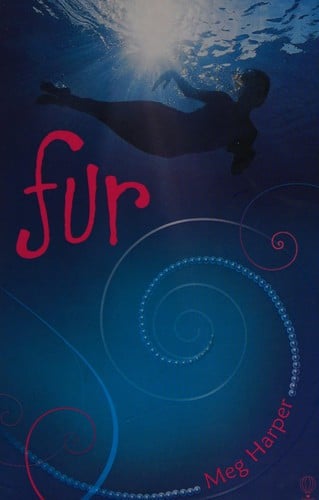
About This Book
YA. Fantasy fiction. Grace loves swimming in the sea. Even her dreams are full of the sounds of the ocean. But dark shadows are troubling the peaceful waters of Grace's life. Her body is beginning to change, but not as she expected. Will she be able to keep her secret to herself?
Scary Scenes
mental_health_themes
Wonderlit Review
The book "Fur" by Meg Harper introduces readers to Grace, a girl whose deep connection to the ocean is intertwined with a mysterious personal transformation. Her body begins to change in unexpected ways, forcing her to confront a new identity and the burden of a secret. While the publisher's description mentions "YA," the stated age range of 4-11 and chapter book format suggest it is more appropriately targeted at the older end of elementary school readers, likely 8-11 years old. This narrative uses fantasy as a metaphor for the often-challenging experience of growing up and feeling different. It handles the sensitive topic of bodily change and self-discovery through a fantastical lens, making it accessible and engaging for young readers. The emotional arc likely moves from initial confusion and fear to a journey of self-acceptance and perhaps empowerment as Grace learns to navigate her new reality. This book is particularly suited for children aged 8-11 who are grappling with feelings of being different, experiencing their own bodily changes (even if not fantastical), or struggling with keeping a secret. It's also a great fit for those who enjoy stories with a touch of magic and a strong connection to nature, especially the ocean. Parents might reach for this book when their child is expressing anxieties about fitting in, undergoing physical changes, or simply loves a good mystery with a fantastical twist. Parents should be prepared to discuss themes of identity, self-acceptance, and the importance of sharing feelings, even when they're difficult. The "dark shadows" suggest mild suspense or emotional challenge, but the overall tone is likely one of growth and discovery. Younger readers (4-7) might enjoy the magical elements if read aloud, but the length and thematic depth make it more suitable for independent readers in the 8-11 range. Older children will appreciate the deeper exploration of identity and the emotional journey. What makes it different is its use of a physical, fantastical transformation to explore universal feelings of growing up and feeling unique, potentially offering a fresh perspective compared to more literal coming-of-age stories.
If Your Family Enjoyed This

Reviews
No reviews yet. Be the first to share how this book landed with your family.