About This Book
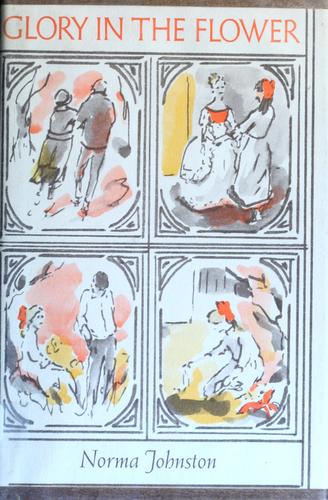
Fourteen-year-old Tish records the trials and tribulations of six months in her life between January and June in 1901. Sequel to "The Keeping Days."
Wonderlit Review
Glory in the Flower offers a window into the life of 14-year-old Tish, as she navigates the 'trials and tribulations' of six months in 1901. Presented in a diary format, this chapter book is a sequel to 'The Keeping Days,' continuing Tish's personal journey of self-discovery and family dynamics. The narrative provides an intimate look at daily life, social customs, and the emotional landscape of a young woman growing up at the turn of the 20th century in Yonkers, New York.
The book handles the universal experience of growing up and finding one's identity through the lens of a specific historical period. Tish's reflections on her family, friendships, and personal struggles are presented directly through her journal entries, allowing readers to connect with her thoughts and feelings. The emotional arc is generally contemplative and poignant, reflecting the introspective nature of a diary, but also carries a sense of resilience as Tish processes her experiences.
This book is specifically for readers who enjoy historical fiction and character-driven stories, particularly those interested in the lives of young people in the past. It's an excellent choice for a child who enjoys reflecting on their own experiences or is curious about how life differed for their ancestors. A parent might reach for this when their child is exploring themes of personal growth, family relationships, or has expressed an interest in historical settings. Given the protagonist's age of 14, it's best suited for late elementary to middle school readers, despite the publisher's broader age range of 4-11. Parents should be aware that while the publisher lists 4-11, the content and protagonist's age make it more appropriate for the older end of that spectrum, or slightly beyond. No specific scenes require previewing, as the 'trials and tribulations' are likely to be age-appropriate emotional and social challenges rather than intense events. Its diary format and historical setting make it stand out from contemporary realistic fiction, offering a unique perspective on timeless adolescent concerns.
If Your Family Enjoyed This

Reviews
No reviews yet. Be the first to share how this book landed with your family.