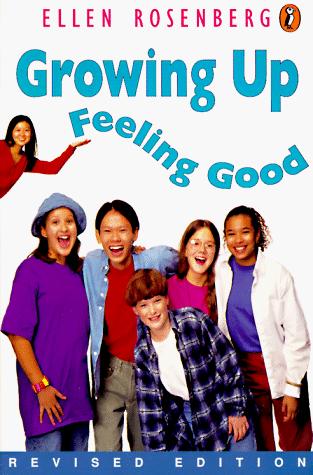
This extensive non-fiction resource provides a broad overview of the developmental journey from early childhood through pre-adolescence. It systematically addresses physical changes, emotional development, social dynamics, and the increasing responsibilities that come with age. The book aims to demystify the process of growing up, offering clear, age-appropriate explanations. It handles topics like body changes and emotions in a direct, yet gentle and reassuring manner, focusing on normalization and positive self-perception. It is secular in its approach, framing growth as a natural and universal human experience. The book maintains an consistently uplifting and supportive tone, designed to build confidence and reduce anxiety about developmental milestones. It starts with the premise of growth and ends with empowerment and self-acceptance. This book is ideal for children who are beginning to ask questions about their bodies and feelings, or those experiencing early signs of puberty or social shifts. It's particularly helpful for children who might feel anxious or confused about changes, offering a sense of normalcy and control. A parent would reach for this when their child starts asking 'why' about body changes, expresses confusion about new emotions, or is navigating new social situations at school. It's a proactive resource for preparing children for adolescence or a reactive one for addressing specific concerns. Parents should be prepared to read sections with their child and engage in open discussions. The book provides a framework, but parental guidance will help tailor the information to the child's specific questions and maturity level. Younger children (4-7) will likely engage with the more basic concepts of body growth and simple emotions, often through read-alouds of specific sections. Older children (8-11) can read independently, delving deeper into psychological changes, social responsibilities, and more nuanced emotional understanding. Its comprehensive nature, covering a wide age range and both physical and psychological aspects in one volume, makes it a robust foundational resource. Unlike some books that focus solely on puberty, this book addresses the broader spectrum of 'growing up' from a younger age.