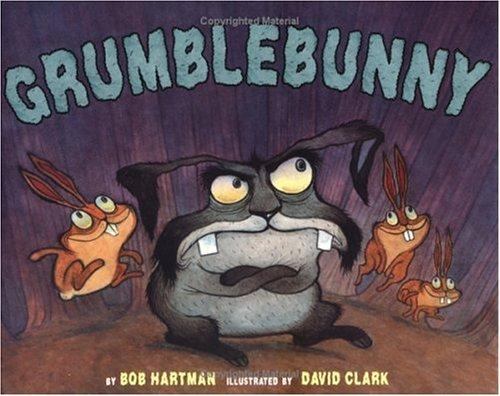
Grumblebunny introduces an ill-tempered rabbit who lives alongside three sweet, cheerful companions. The story highlights their contrasting personalities, setting the stage for a valuable lesson. When a hungry wolf appears, threatening the group, the rabbits must rely on each other. This shared moment of peril leads them to a new understanding and appreciation for their individual temperaments, demonstrating that even a grumbly attitude can have its uses.
The book handles themes of ill-temper and fear directly but gently. The wolf encounter serves as a plot device to bring about the lesson of acceptance, rather than being a truly scary event. The emotional arc is heartwarming: it begins with personality contrasts, moves through a shared challenge, and resolves with a message of mutual appreciation. It's a gentle, uplifting journey.
This book is ideal for children who might be struggling with their own 'big feelings' like frustration or anger, or for those learning to navigate friendships with others who have different personalities. A parent might reach for this when their child is showing signs of being easily frustrated, having trouble getting along with a sibling or friend due to personality clashes, or when discussing the value of diversity in a group.
Parents might want to discuss what 'ill-tempered' means before reading and reassure children that the wolf encounter, while a moment of peril, resolves safely. It's a good opportunity to talk about how different people react to stress. Younger children (4-6) will enjoy the animal characters and the clear plot, focusing on the simple message of being kind and working together. Older children (7-8) can delve deeper into the psychological aspect of attitude and how it affects group dynamics, appreciating the fable-like moral. What makes it different from some other books on emotions is its emphasis that even an 'ill-tempered' personality can have its place and value within a group, promoting acceptance of diverse temperaments rather than solely focusing on changing one's own.