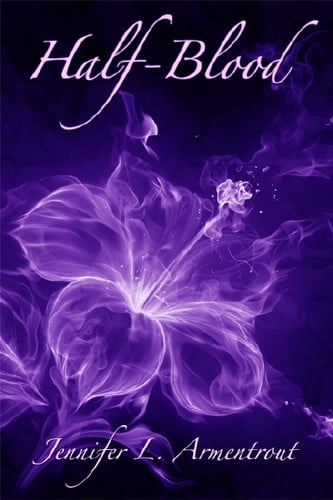
"Half-Blood" by Jennifer L. Armentrout is a compelling young adult fantasy that plunges readers into a world where descendants of gods attend a specialized school, the Covenant. The story centers on seventeen-year-old Alex, a half-mortal, who returns to this intense environment following the traumatic murder of her mother. The book quickly establishes a high-stakes plot as Alex undergoes rigorous training to combat dangerous creatures known as daimons. The narrative skillfully weaves together elements of grief, mystery, and forbidden romance. Alex's emotional arc begins with the profound loss of her mother, which fuels her determination but also leaves her vulnerable. This personal tragedy is juxtaposed with the burgeoning, complicated attraction she feels for her pure-blood trainer, Aiden, adding a significant romantic tension to the plot. The promise of a major revelation about Alex's past further deepens the mystery and drives her journey of self-discovery. This book is ideal for young adult readers, particularly those aged 12-18, who enjoy fast-paced fantasy with strong romantic and mythological elements. It's for the reader who loves a "chosen one" narrative, a magical school setting, and a protagonist grappling with extraordinary powers and personal challenges. A parent might reach for this book when their teen is looking for an engaging series with action, a touch of romance, and a strong female lead. Parents should be aware that the book opens with the murder of the protagonist's mother, which sets a darker tone. There is also moderate violence due to the combat training and encounters with daimons. The forbidden romance is a central plot point, though likely handled in a way appropriate for the YA audience. It's a series starter, so expect a cliffhanger and a desire for the next installment. What sets it apart from similar books is Armentrout's signature blend of intense action, steamy romance, and intricate world-building, often drawing on mythological inspirations to create a unique supernatural hierarchy. Younger teens (12-14) might focus more on the action and school aspects, while older teens (15-18) will likely appreciate the romantic tension and deeper themes of identity and loss.