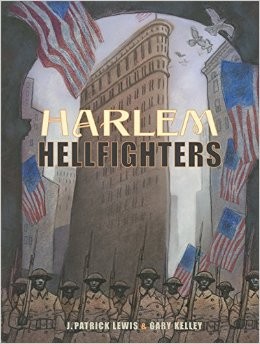
Reach for this book when your child starts asking questions about fairness, heroism, or why certain stories in history are hidden. It is a powerful choice for parents who want to introduce complex historical truths through the accessible and evocative lens of poetry. By focusing on the 369th Infantry Regiment, the story highlights the paradox of Black soldiers fighting for democracy abroad while being denied basic civil rights at home. The book moves through the regiment's journey from Harlem to the trenches of France, emphasizing their unmatched bravery and their famous brass band that introduced jazz to Europe. It addresses systemic racism with honesty but centers on the resilience and pride of the men. It is best suited for children ages 8 to 12 who are ready to engage with the realities of the past while celebrating the enduring spirit of those who paved the way for future generations.
Your experience helps other parents find the right book.
Sign in to write a reviewPoetic descriptions of trench warfare and the dangers of the front lines.
The emotional weight of fighting for a country that does not return the favor.
The book deals directly with systemic racism and the violence of war. The approach is lyrical and historically grounded. While it depicts the harsh reality of discrimination, the resolution is one of profound honor and historical vindication, though it remains realistic about the struggles that continued after the war.
A 10-year-old who is fascinated by military history or music and is beginning to notice social inequities. It is perfect for a child who feels like an underdog and needs to see how excellence and courage can challenge a broken system.
Parents should be prepared to discuss why the American army wouldn't let these soldiers fight alongside white troops, necessitating their service with the French. Reading the author's note first provides essential historical context. A parent might choose this after their child asks: Why aren't there many Black soldiers in my history textbook? or after a classroom discussion about the World Wars that felt incomplete.
Younger children (8-9) will gravitate toward the rhythm of the poetry and the bravery of the soldiers. Older children (11-12) will better grasp the bitter irony of fighting for a country that treated them as second-class citizens.
Unlike standard historical accounts, Lewis uses verse to capture the emotional pulse of the era, blending the grit of the trenches with the soul of Harlem jazz.
This book is a poetic tribute to the 369th Infantry Regiment, an African American unit in World War I. It traces their journey from recruitment and training in a segregated America to their harrowing and heroic service under French command, where they earned the nickname Hellfighters. It also highlights the role of James Reese Europe and the regiment's band in bringing jazz to the front lines.
This overview was generated by AI based on the book's content and reviews, and may not capture every nuance.