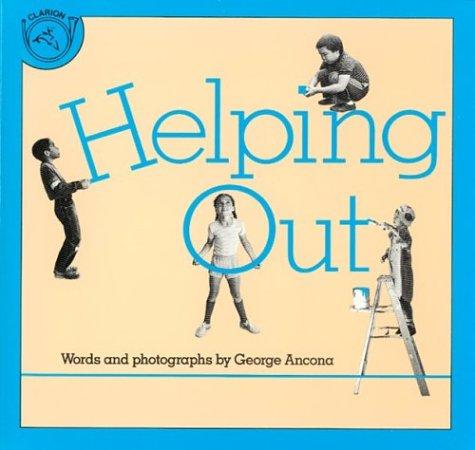
A parent might reach for this book when their child is eager to help but doesn't know how, or when you want to foster a sense of shared responsibility and contribution. "Helping Out" uses stunning black-and-white photography to show children and adults working together in a variety of real-world settings like cooking, building, farming, and creating. It beautifully illustrates the value of teamwork, family connection, and the quiet pride that comes from doing a job together. This book is a wonderful, gentle conversation starter for building a child's confidence and showing them they are a valued and capable member of the family team.
The book is gentle and positive, with no sensitive topics like death or divorce. Its approach is secular and universally focused on the value of shared work. The most notable element for parents to consider is the 1985 publication date, which is evident in the clothing and settings. This can be framed as a look at the recent past.
Your experience helps other parents find the right book.
Sign in to write a reviewThe ideal reader is a child aged 6 to 8 who is developing a strong sense of autonomy and is eager to take on more responsibility. It's perfect for the child who says, "Let me help!" or who wants to feel more involved in the family's daily work and projects. It also suits a child who is learning a new skill with a mentor or family member.
Parents should be prepared to discuss the fact that the photos were taken a long time ago. Pointing out the black-and-white format and the style of dress or equipment can be a fun way to talk about history. Otherwise, the book's message is timeless and it can be read cold without any special preparation. A parent has just seen their child attempt to "help" in a way that created more work, and wants to channel that positive impulse constructively. Another trigger is a parent wanting to introduce the concept of family chores or contributions in a positive, non-demanding way, focusing on collaboration over obligation.
A younger child (6-7) will likely focus on the concrete actions in the photos: hammering a nail, kneading dough, or planting a seed. They will connect with the simple, satisfying idea of being a helper. An older child (8-9) can grasp the more abstract themes: the importance of passing skills between generations, the value of community, and the personal satisfaction of contributing to a large, shared goal.
Unlike contemporary, brightly illustrated books about chores, this book's power lies in its authentic, documentary-style black-and-white photography. George Ancona's artistic approach elevates the everyday act of helping into something profound and beautiful. The focus is less on tasks and more on the human connection forged through shared effort, giving it a timeless, heartfelt quality.
This is a non-fiction photo-essay documenting the many ways children contribute to work alongside adults. Through striking black-and-white photographs, the book depicts scenes of intergenerational collaboration: a girl helps her father build a home, children assist in a restaurant kitchen, a boy learns from a blacksmith, and families work together in gardens and workshops. The text is minimal, serving as simple captions that allow the powerful images to convey themes of teamwork, learning, and belonging.
This overview was generated by AI based on the book's content and reviews, and may not capture every nuance.
