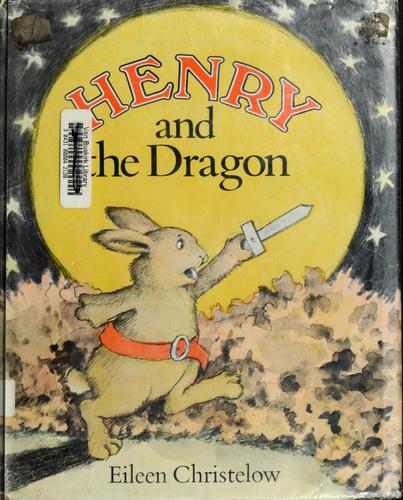
A parent would reach for this book when their child is afraid of shadows or monsters at bedtime. It gently validates a child's fear without dismissing it, offering a creative and empowering way to handle nighttime anxieties. The story follows Henry, a young rabbit who is convinced a scary dragon shadow lives on his wall. After rational explanations fail, his loving parents join in his imaginative world, transforming the menacing figure into a friendly pet. This book is a wonderful tool for preschoolers because it models how imagination, a source of fear, can also be a source of comfort and fun, providing a concrete, playful strategy for the whole family.
The book addresses common childhood anxiety, specifically fear of the dark and shadows (nyctophobia). The approach is metaphorical, using a dragon shadow to represent the fear. The resolution is secular and focuses on cognitive reframing (changing the story about the scary thing) and responsive parenting. The outcome is entirely hopeful and empowering for the child.
Your experience helps other parents find the right book.
Sign in to write a reviewThis is a perfect fit for a 3 to 5-year-old who has recently started verbalizing a fear of shadows or monsters in their room. It's especially helpful for an imaginative child for whom logical explanations like "it's just a chair" are not working to calm their fears.
No preparation is needed; this book can be read cold. The illustrations of the shadow are clear but not overly menacing. A parent should be prepared for their child to want to try the 'feeding the shadow' game immediately after reading. The parent has just been called back into the bedroom for the third time by a crying child who insists "there's a monster in here!" The parent has tried turning on the lights and explaining the shadows, but the child remains genuinely frightened.
A 3-year-old will connect with the core feeling of being scared and then feeling safe with their parents. A 5 or 6-year-old will grasp the more complex concept that they have the power to change a scary story into a fun one using their own imagination, a foundational skill for emotional regulation.
Unlike many books that simply dismiss or banish the monster, this story validates the child's perception and fear. Its unique strength lies in the collaborative, imaginative solution. It teaches that you don't have to eliminate the 'monster', you can befriend it. This models a sophisticated and effective coping strategy through play.
At bedtime, a young rabbit named Henry sees a frightening dragon-shaped shadow on his wall. His parents attempt to soothe him with logic, demonstrating how his toys cast the shadow when the hall light is on. When Henry's fear persists, his parents pivot their strategy. They embrace his imaginative reality, interacting with the shadow as if it were a real, but tameable, creature. By 'feeding' the dragon carrots, they transform it from a threat into a friendly bedtime companion, successfully quelling Henry's fear.
This overview was generated by AI based on the book's content and reviews, and may not capture every nuance.