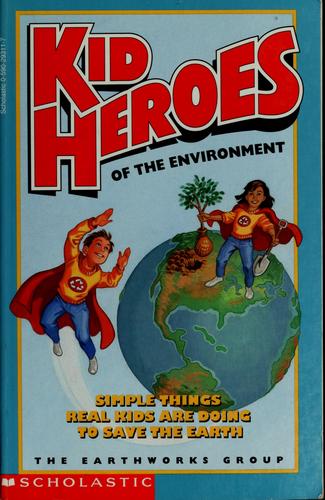
A parent might reach for this book when their child expresses anxiety about climate change or pollution and feels powerless to help. 'Heroes of the Environment' counters this despair with twelve inspiring true stories of ordinary people, including children and teens, who took extraordinary action to protect the planet. From a group of kids who shut down a toxic waste incinerator to a man who reforested a desert, each short biography highlights themes of resilience, fairness, and the power of a single individual. For ages 9 to 13, this book is an excellent choice because it provides relatable role models and transforms overwhelming problems into manageable, hopeful calls to action, empowering the next generation of activists.
The book directly addresses serious environmental issues like pollution, toxic waste, corporate negligence, and threats to animal habitats. The approach is secular and fact-based, focusing on community action and scientific solutions. The resolution in each story is hopeful, showcasing the positive impact of the individual's actions while acknowledging that the broader problems are ongoing. It frames these difficult topics within a narrative of empowerment.
Your experience helps other parents find the right book.
Sign in to write a reviewA 10-year-old who just learned about the climate crisis in school and feels a mix of anger, sadness, and helplessness. They might be saying things like, "The world is dying" or "What can one person even do?" This book is for the budding activist who needs tangible, relatable role models and a dose of practical hope.
No major prep is needed as the book is very straightforward. However, parents should be prepared for their child to be inspired to act. It would be helpful to preview the "What You Can Do" section at the end and be ready to discuss local issues or find a community organization to support. The book is a great launchpad for family-based action. A parent hears their child say, "It's pointless, the grown-ups have already ruined everything," after watching a nature documentary or learning about pollution in school. The child feels a sense of despair or cynicism about the future of the planet.
A 9-year-old will likely focus on the adventure and heroism in each story, seeing the profiles as exciting true tales, especially those featuring young people. A 12- or 13-year-old will better grasp the complex systemic issues at play, like environmental justice and corporate responsibility. They may be more interested in the specific strategies the heroes used to organize, protest, and create lasting change.
Unlike many environmental books that focus on the problems, this one is entirely about solutions driven by relatable, non-famous individuals. Its deliberate inclusion of young activists and people from diverse, often marginalized, communities makes the idea of making a difference feel accessible to any reader, not just a privilege for scientists or politicians. The short, digestible biography format makes it highly engaging and less intimidating than a dense book on climate science.
This book is a collection of twelve brief biographies of environmental activists from diverse backgrounds. Each profile details a specific environmental issue the person tackled, such as toxic waste, deforestation, or ocean pollution, and the creative, determined actions they took to create change. The subjects range from a teenage girl who organized her community to stop an incinerator to a scientist who worked to save a species of frog.
This overview was generated by AI based on the book's content and reviews, and may not capture every nuance.