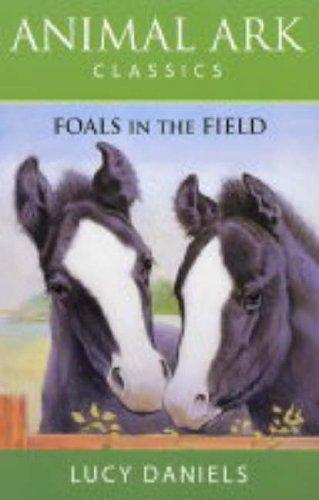
A parent might reach for this book when their child is grieving the loss of a beloved place or routine, like a local park or library branch closing. It tells the story of Mandy and James, who are heartbroken when their cherished riding stable is sold and turned into a campsite. This personal loss is woven into an exciting mystery when tales of a ghostly horse begin to circulate. The book gently explores sadness over unwanted change, but balances it with themes of curiosity, friendship, and the bravery it takes to investigate a mystery. It's an empowering choice that validates a child's feelings while showing them how to channel their energy into proactive problem-solving.
Your experience helps other parents find the right book.
Sign in to write a reviewThe core topic is coping with unwanted change and the loss of a cherished community space. This grief is handled directly through the children's sadness and frustration. The approach is secular and practical. The resolution is hopeful, not because the change is reversed, but because the children find agency and a new way to honor the place's past while adapting to its future.
An 8-11 year old animal lover who is struggling with a change outside their control, such as a favorite business closing or a community landmark being torn down. This reader feels a sense of injustice and sadness, and will connect with Mandy's drive to protect what she loves.
No specific prep is needed; the book can be enjoyed without prior context. The ghostly elements are very mild and serve the mystery plot. A parent could be ready to discuss feelings about change and how communities evolve over time. A parent observes their child is sad or angry about a local change, saying things like, "It's not fair! I loved that place! Why do they have to ruin everything?" The child is fixated on the loss and feels powerless.
A younger reader (8-9) will primarily enjoy the horse-centric story and the fun of solving the ghost mystery. An older reader (10-12) will better grasp the underlying themes of commercial development versus community heritage, and the emotional complexity of accepting that some things cannot be saved, only remembered.
While many books deal with loss, this one uniquely focuses on the grief for a place, not a person. It cleverly uses a classic mystery trope (the ghost story) as a vehicle to process these feelings, making the topic accessible and engaging rather than overtly therapeutic.
Mandy Hope and James Hunter are devastated when the local riding stables are sold to a developer, Sam Western, who plans to turn the land into a modern campsite. The children are sad for the owner, Mr. Bennett, and for the loss of a place they love. Soon, campers report seeing a ghostly horse and rider, creating a spooky atmosphere. Mandy and James, using their knowledge of the area and their love for horses, decide to investigate the strange sightings, suspecting there's a logical explanation tied to the history of the stables.
This overview was generated by AI based on the book's content and reviews, and may not capture every nuance.